Blurry vision alert
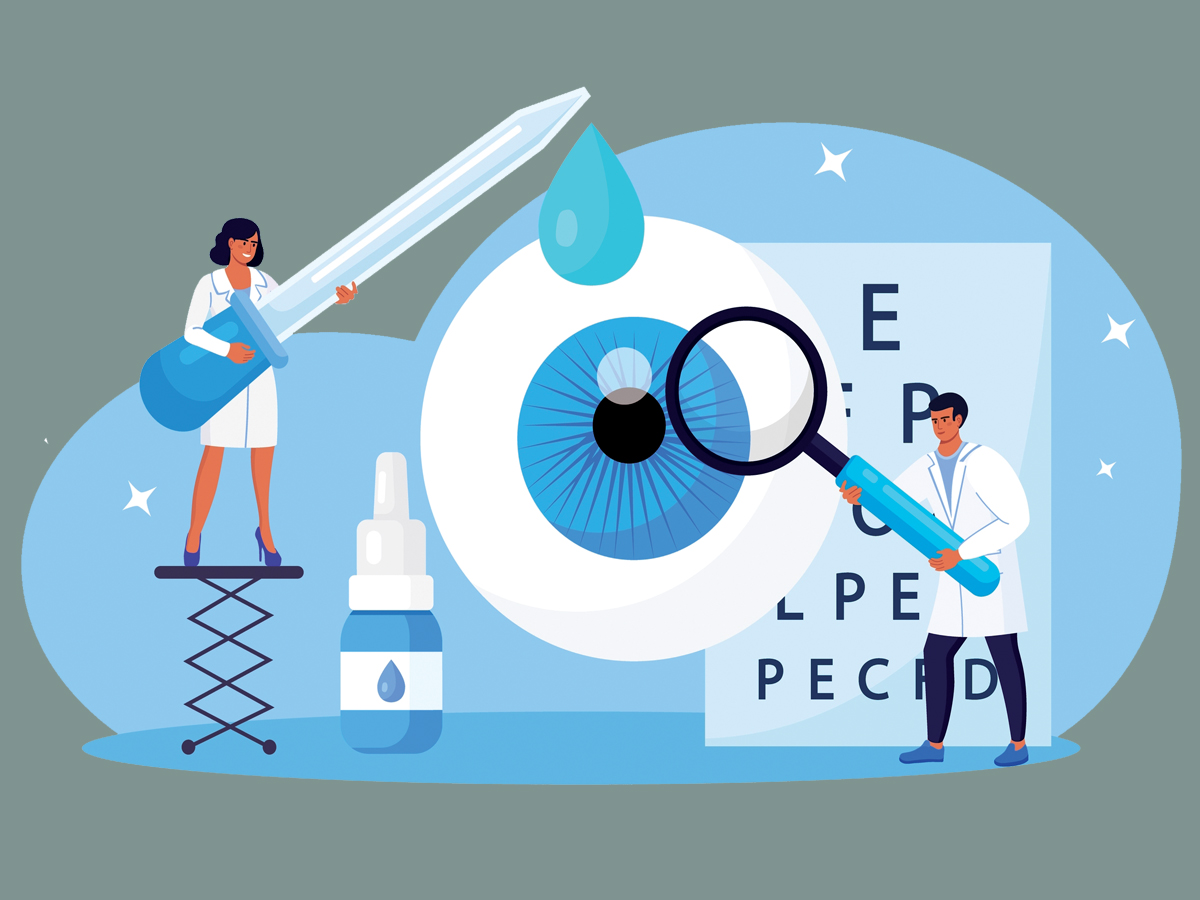
A common eyesight problem, unclear or poorly focused vision is dangerous: From needing new eye-glasses or contact lens prescriptions to a fix for pink eye some issues are quick to solve. However, blurred vision can also be a sign of cataracts, glaucoma, or hypertension (high blood pressure). Other things to consult an optometrist about:
Refractive Error – includes an astigmatism, hyperopia, myopia, or a presbyopia.
Treatment: Prescription for glasses or contacts, or perhaps refractive surgery.
Dry eyes – Happens when you don’t make enough tears to keep your eyes wet.
Treatment: Eyedrops, prescription medication, lifestyle changes.
Cataracts – when the lens in the front of your eye becomes cloudy and blocks light from the retina, can occur with aging.
Treatment: Temporarily a magnifying glasses but wisely, routine surgery.
Glaucoma – A group of eye diseases that cause vision loss and blindness by damaging the nerves.
Treatment: Prescription medication, laser treatment and/or surgery.
Eye Infection – An infection of the cornea and can lead to blurry vision, can be contagious such as pink eye.
Treatment: Eyedrops/ antibiotics on visit to family doctor.
Detached retina – The retina sometimes does not sit on the back of your eye. This is considered a detached retina.
Treatment: Surgery, if you suspect you have a detached retina, seek emergency medical care immediately.
Of note: A number of medical conditions can affect eyesight such as diabetes, autoimmune disorders such as HIV/AIDs and migraines as well as head injuries, shingles and a stroke. Always seek prompt medical or emergency.
Source: Health.com

Vulnerable body parts
New care and beauty routines may need to prevail once you’re over 50. Get extra check-ups and treat these that body bits with care.
1) Eyes and Ears
2) Teeth and gums
3) Feet
4) Pelvic floor
5) Hips and knees

Thinking about retirement living?
Do your homework. It’s easier to make an educated decision when working proactively rather than reactively. Signs that you should begin to plan?
• Health needs are becoming more complex
• Home maintenance is burdensome
• Social isolation is a concern
• You’re starting to feel overwhelmed as a caregiver
Source: Tea and Toast

Heartburn neutralizers
Improve your quality of life by reducing your stomach acid.
Foods to consider:
Gum: Chewing increases saliva production.
Honey: Coats your stomach lining and esophagus.
High fibre: Slow digestion with nuts, apples, banana.
Veggies and whole grains: Oatmeal, broccoli, quinoa.
Foods to avoid:
Chocolate: Caffeine triggers reflux.
Certain drinks: Alcohol, pop, coffee.
High fat foods: Cheese, ice-cream, butter, red meat.
Others: Garlic, onion, mint, spicy.
Keeping your cognitive reserve
The brain’s ability to improvise and find alternative solutions in a given situation comes from what’s known as its cognitive reserve. Shown to reduce/prevent symptoms of degenerative brain changes have been linked to brain diseases such as dementia or Parkinson’s a healthy cognitive reserve is fostered by:
• Prioritizing exercise and getting enough sleep
• Eating plant-based diet
• Nurturing social connection
• Challenging your brain
• Managing stress
• Practicing self care
Source: Harvard Health Publishing

Thinning Hair?
Jane Fonda, Dolly Parton, Salma Hayek (who dons a wig when she wants a blonde day) and Chrissy Teigen, are fans of wigs, hair extensions, weaves and toppers for versatility and styling options. If you’re managing cancer or aging related hair loss, or simply experimenting curly or straight, there’s a fashionable look for you.

The right way to drink water?
Recent studies show that chugging water is a common mistake we make when we’re hot. However, simply chugging means that the water is simply passing through rather than being fully absorbed. Morale of the story, sip slowly.
Source: Mind Body Green

No plastic in the microwave
Studies show the impact of plastic packaging can cause microplastics to be present in foods at a disturbing rate. Even worse? Microwaving for three minutes caused some containers to release as many as 4.22 million microplastics and 2.11 billion nano-plastics per square centimeter. This research indicates we may be eating more plastic than previously known. Other recent studies suggest we may be ingesting 50,000 microplastics a year. Swapping to microwave safe glassware is advised.
Source: Bon Appetit
Images: CanStock. iStock. Shutterstock.