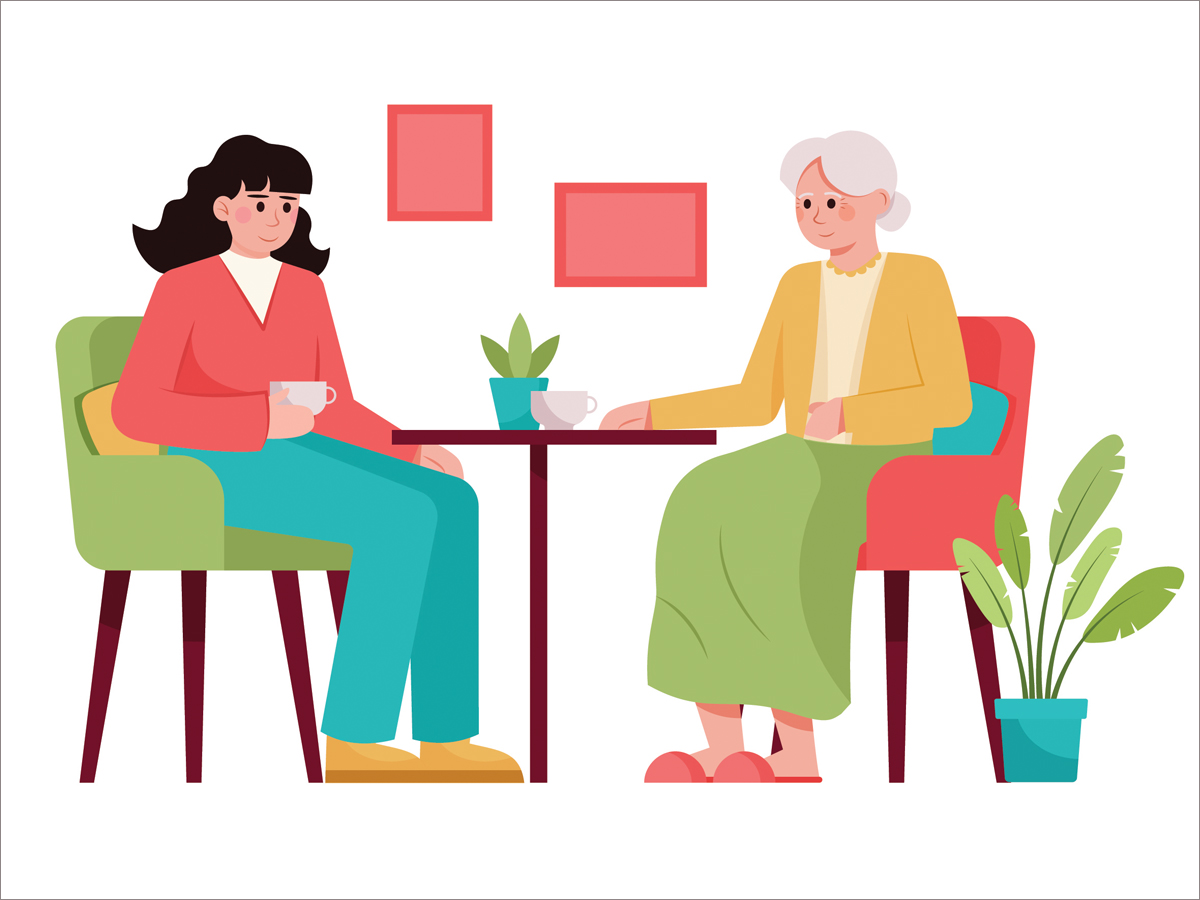
How to make lemonade out of lemons
We’ve all been told to “look on the bright side” when life gets messy, but that’s often easier said than done. Still, a growing body of research says there’s value in that old advice, especially if you do it the right way. A new study in Frontiers in Psychology spotlights a concept called “lemonading.” Basically, it’s about tackling challenges head-on while actively seeking creative, positive outcomes — without living in denial of hard times. Psychologists say this isn’t your typical “good vibes only” advice. “Lemonading is about seeing obstacles as opportunities and being playful enough to imagine new solutions,” says Dr. Mirjam Quinn, a clinical psychologist. In other words, it’s not denial, it’s resourcefulness with a side of fun. The trick is making space for play and joy, even when adult life feels like an endless to-do list. Dr. Rostislav Ignatov calls playfulness a “reset button” for the brain, the thing that loosens us up and lets creative solutions emerge. If that sounds like something you need, start small: keep a gratitude journal, embrace hobbies just for fun, laugh when you can, and build a supportive community.
Source: RealSimple
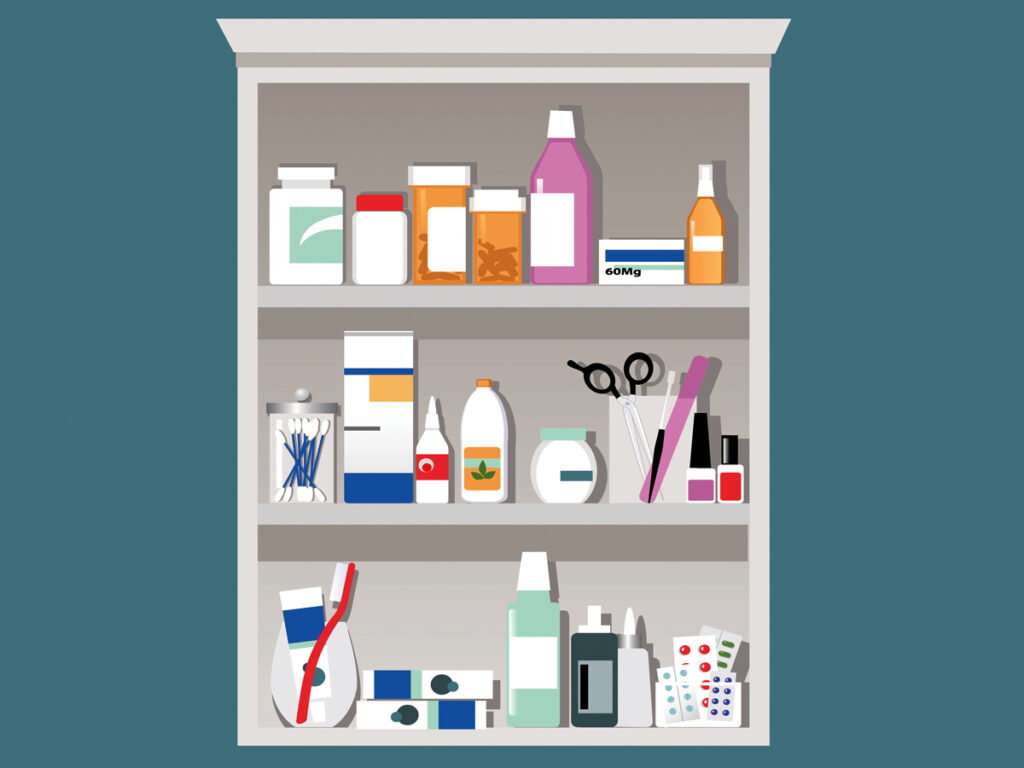
Medicine cabinet check up
Many people can’t remember the last time they cleaned out their medicine cabinet, but this is usually a sign the time has come. Experts say we should clean out our medicine cabinets at least once a year. This is because over time, heat and humidity from showers can cause medications to lose potency, which means they may not work when you need them most. Plus, holding on to expired prescriptions can lead to accidental misuse. The Drug Enforcement Administration even runs a National Prescription Drug Take Back Day to help households safely dispose of old meds. But you don’t have to wait many pharmacies have year-round drop-off sites. It’s also worth noting that your bathroom cabinet may not be the best storage spot. Instead, choose a cool, dark place out of reach of children. If you’re ready to get started:
1. Toss expired medications at a safe disposal site.
2. Replace essentials like pain relievers and allergy meds.
3. Restock first aid basics: bandages, gauze, antiseptics.
4. Move your medicines to a safer, drier location.
5. Set a reminder to repeat this check every year.
Source: Emergency Physicians
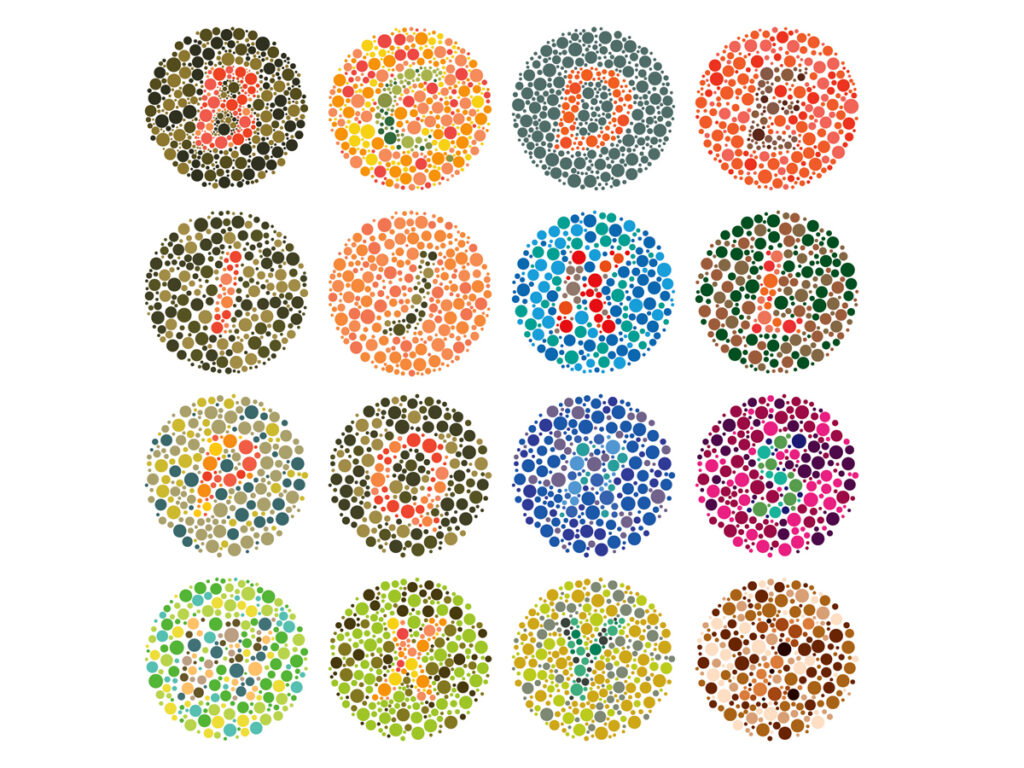
Why men are more often colour blind
With around 300 million people worldwide affected by colour blindness, you might’ve noticed it seems to impact men a lot more than women and that’s no coincidence. About 1 in 12 men are colour-blind compared to just 1 in 200 women. So, what’s behind this gender gap? It all comes down to genetics. Colour vision relies on three types of cone cells in the eye that detect red, green, or blue light. If one of those cones is missing or out of whack, colour blindness occurs. The most common form? Red-green colour blindness. And here’s where chromosomes come into play. The genes responsible for these cones live on the X chromosome. Men, with just one X, only get one shot at a functional gene. If it’s faulty, then they’re colour-blind. Women, on the other hand, have two Xs, so a backup usually saves the day. While women can still develop colour blindness, it’s rare and often tied to other health issues like nerve damage or cataracts. Scientists are also exploring experimental gene therapies — but for now, those with colour blindness are stuck seeing the world a little differently.
Source: LiveScience
Images: Shutterstock. Monika Borys, Unsplash.