Are you a player?
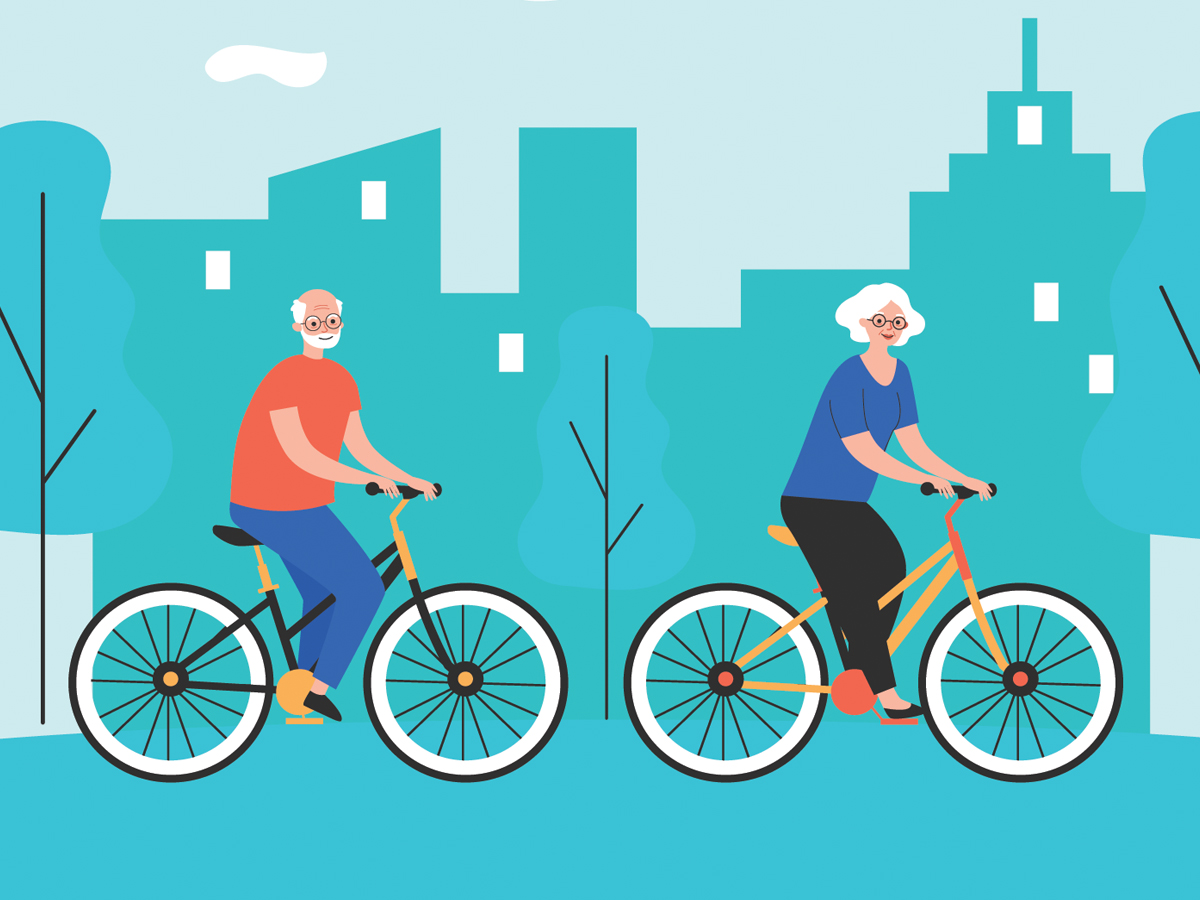
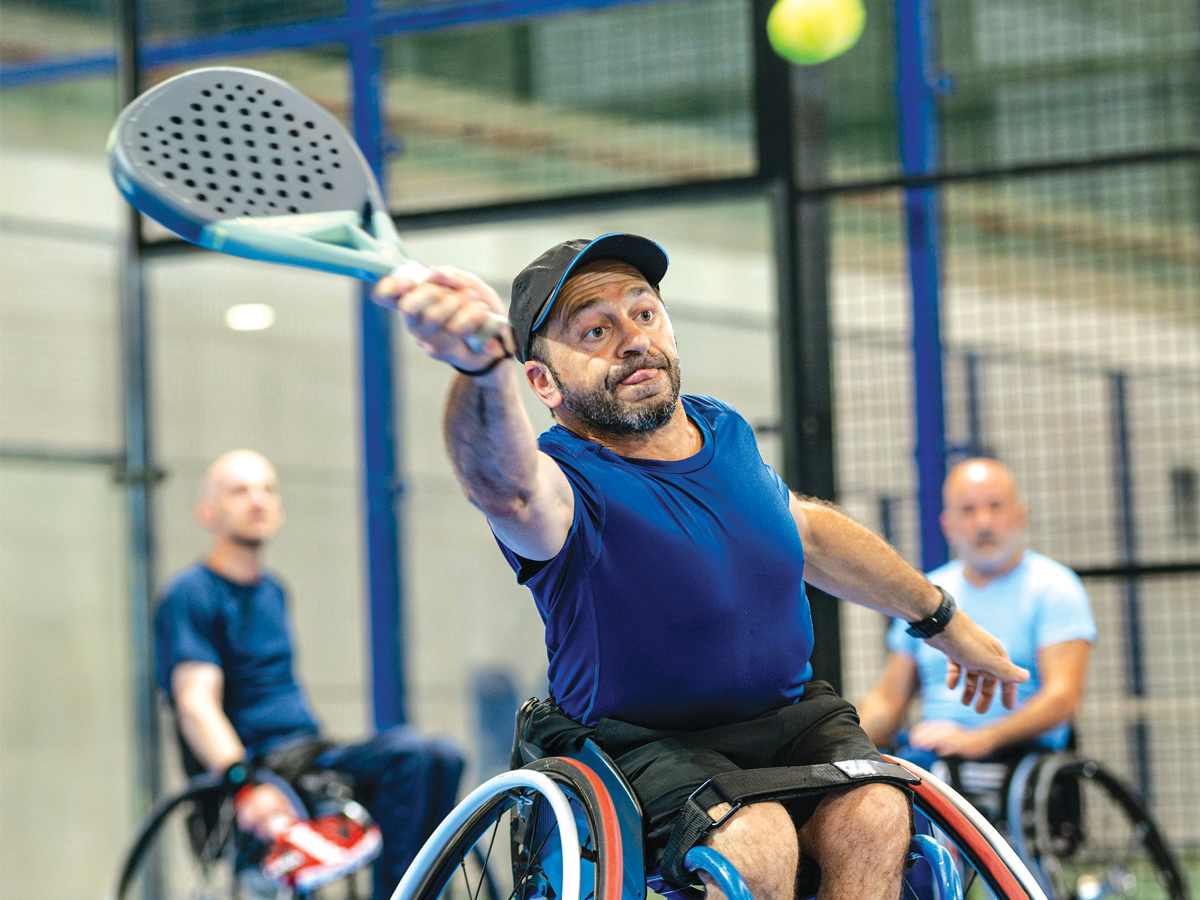
No need to hang up your hat because you’re an older adult or a caregiver. There are plenty of ways to have fun, break a sweat and improve your overall health…low-impact sports that might interest you are:
1) Swimming
2) Walking
3) Croquet
4) Pickelball
5) Yoga
6) Tai Chi
7) Dancing
8) Lawn Bowling
9) Golfing
Depending on your choice of activity, expect physical and mental health benefits like increased flexibility, improved core strength, mood boosters, stress reduction and overall energy.
5 caregiver de-stressers
Try these tips to help you unwind, restore balance and build resilience helping you cope with day-to-day challenges:
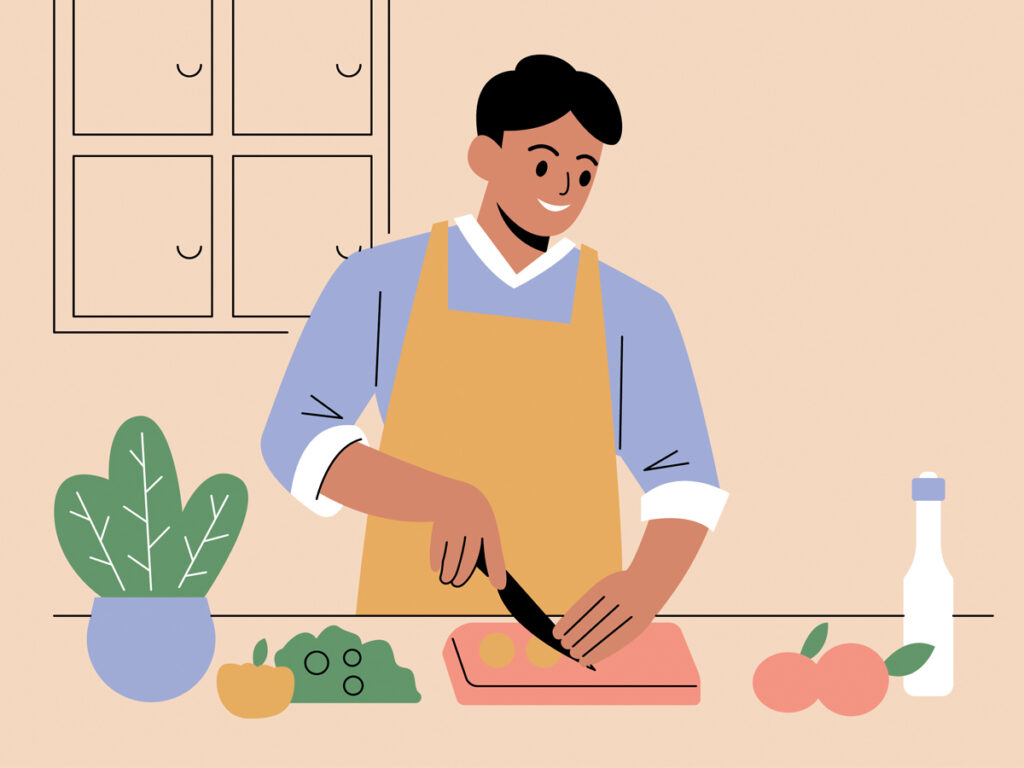
1) Move Your body: Physical activity releases endorphins, reduces tension, and improves mood. Whether it’s a brisk walk, a gym session, or gentle stretching, movement helps clear your mind and combat stress.
2) Practice mindfulness: Take a few minutes to focus on your breath. Engage in quiet time or meditation to calm your nervous system and provide a mental reset.
3) Take breaks from tech: Stepping away from screens and social media gives your brain a rest, lowers stress levels, and helps you reconnect with your surroundings.
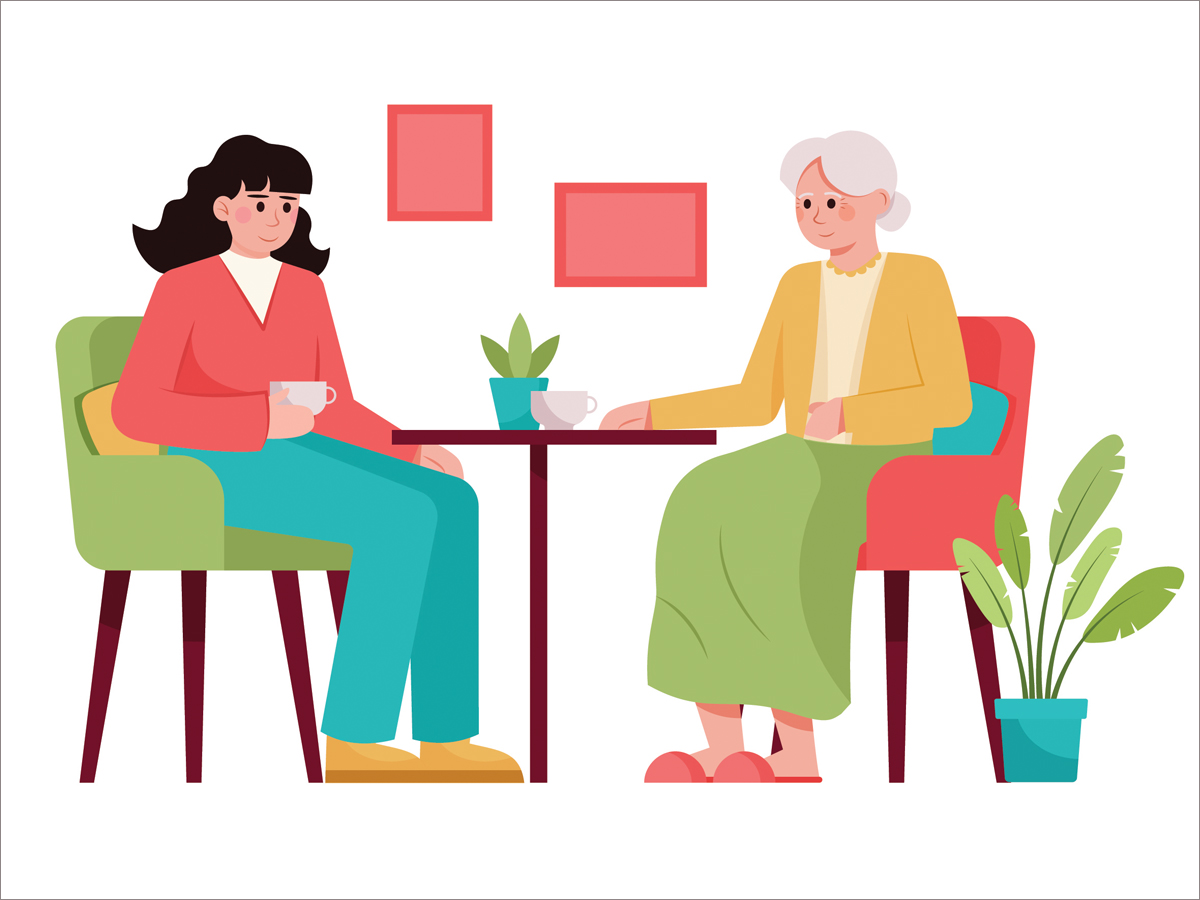
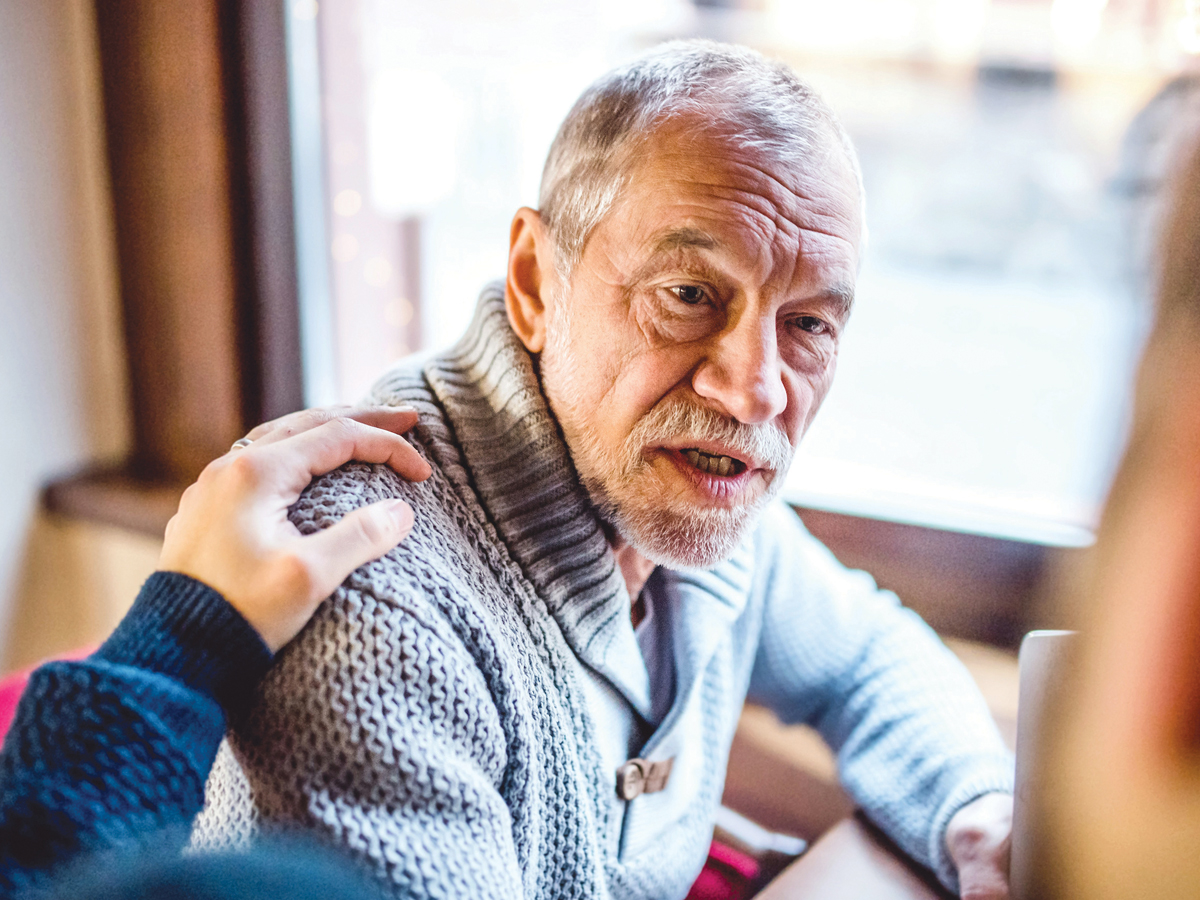
4) Connect with others: Talking with friends, family, or colleagues can provide perspective, emotional support, and reassurance.
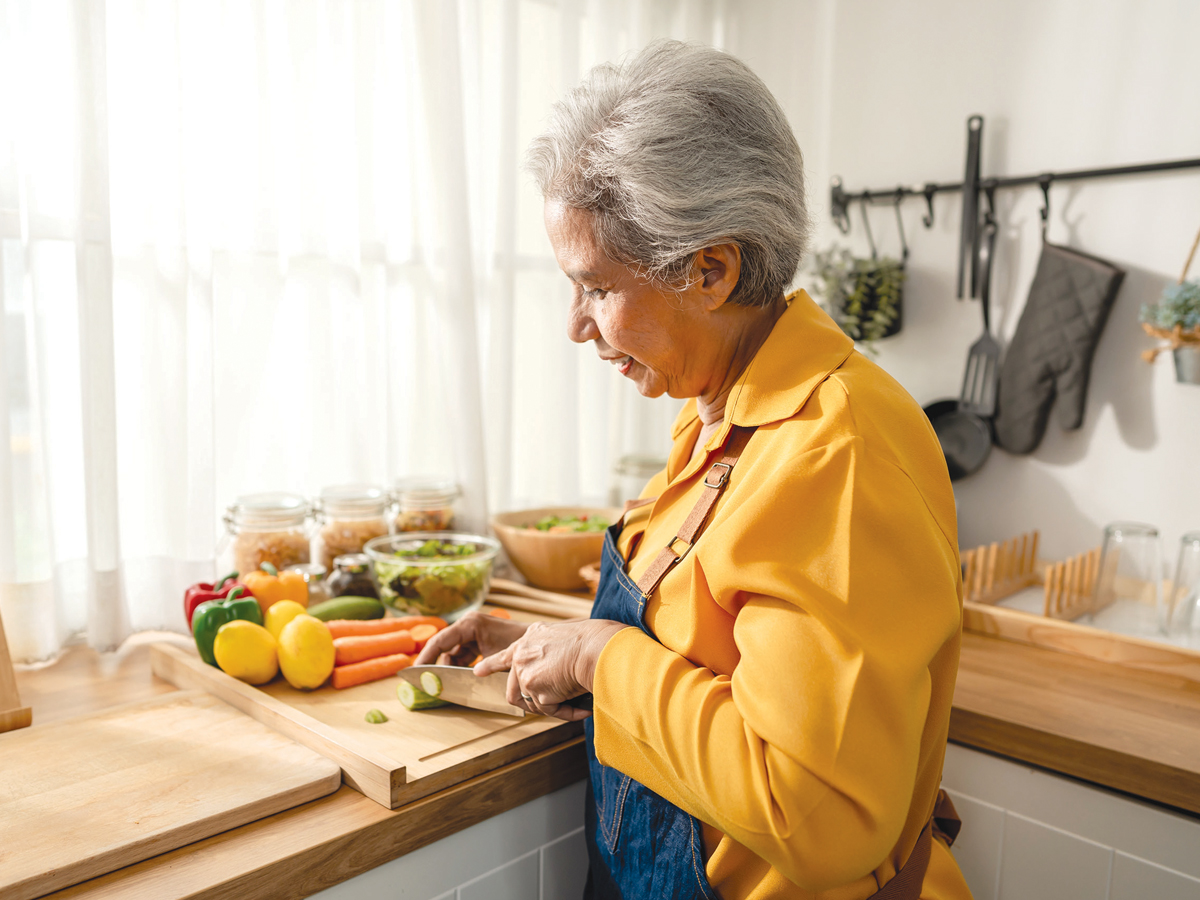
5) Engage in enjoyable activities: Hobbies such as reading, cooking, or creative projects allow for relaxation and help you re-focus on something fulfilling.
Women: Know your stroke risk
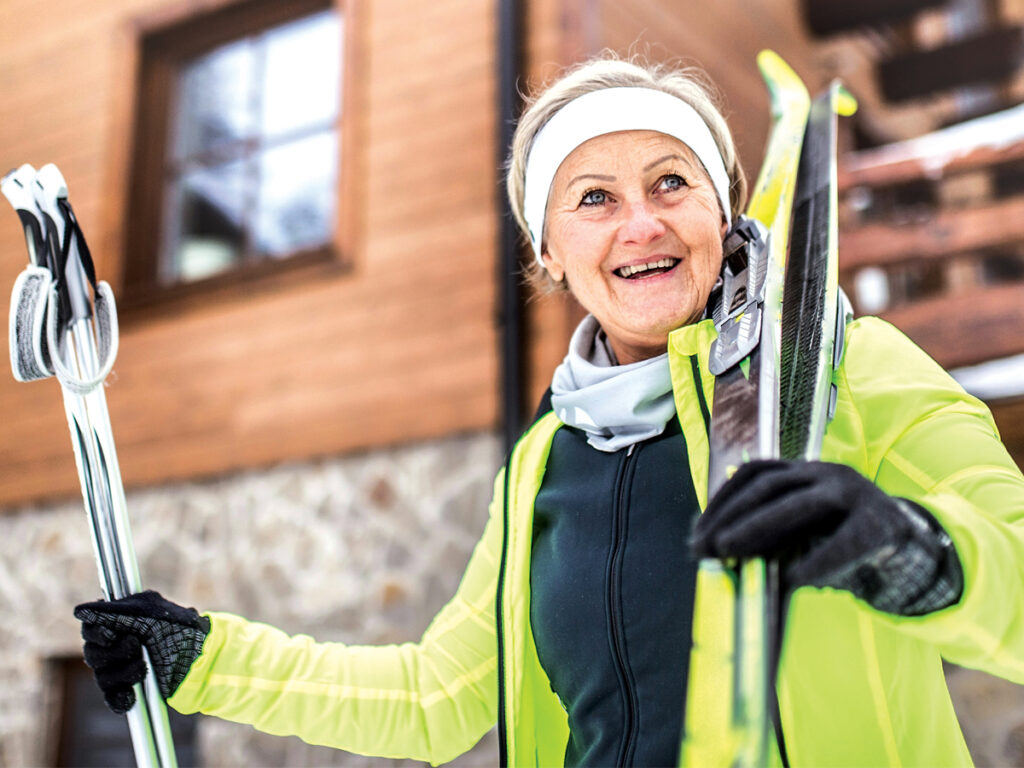
Estrogen can protect the brain, but when it shifts, trouble can be lurking. Plus, factors like high blood pressure, diabetes, smoking, obesity, and a history of heart disease can increase risk. Regular check-ups, a healthy lifestyle, and knowing warning signs—such as sudden numbness, trouble speaking, or vision changes will help protect you.
10-minute medicine cabinet check-up
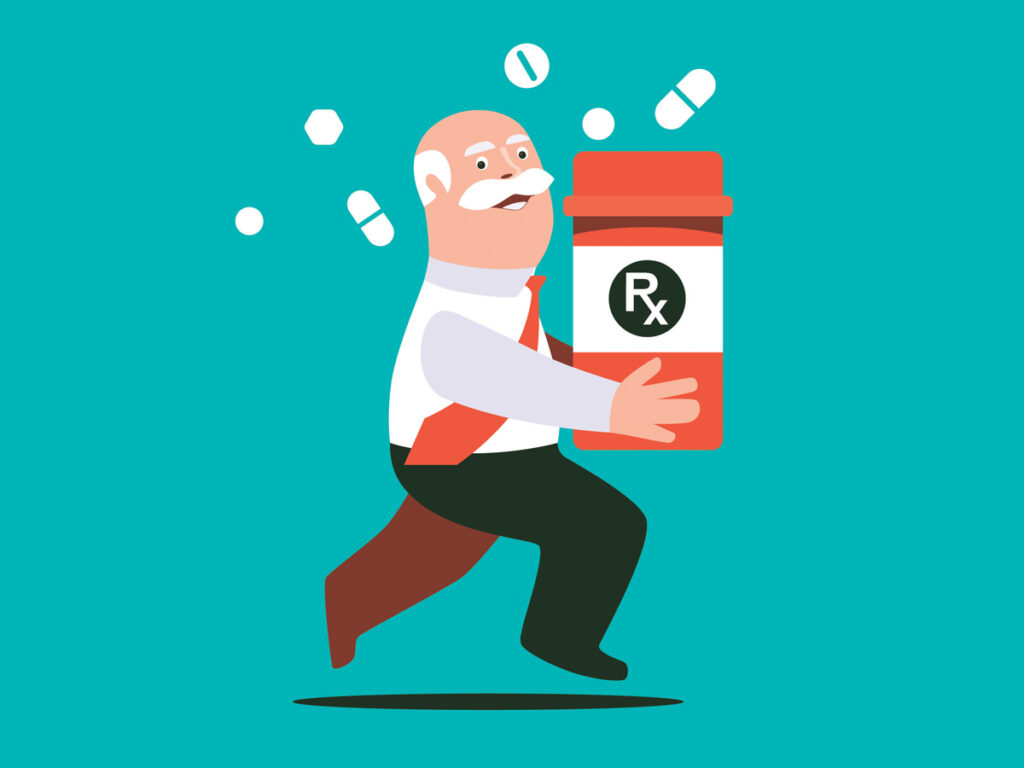
Medicine cabinets are often full of old things…time for a clearout!
• Gather and sort items by type.
• Check for expired or unneeded medications.
• Discard items that have changed in appearance or smell. Take all unwanted or expired medications to your local pharmacy for safe disposal.
• Reorganize the remaining medications, keeping them in their original containers and out of the humid bathroom environment.
Healthy eating plans for better health
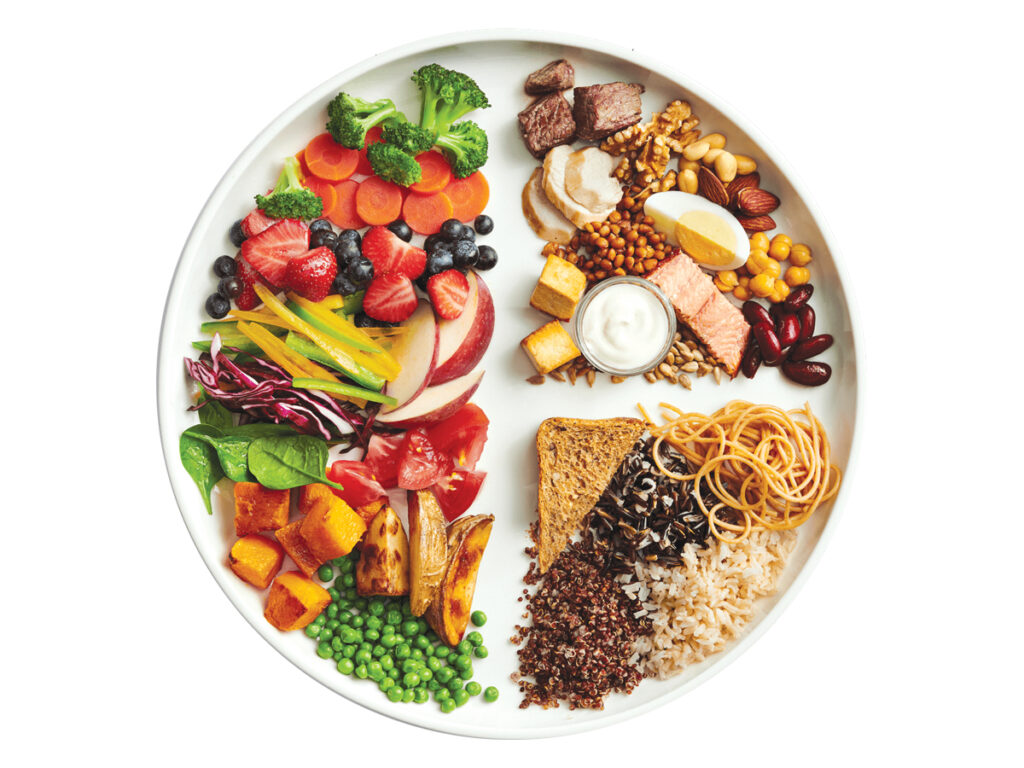
Individual diets have a differences but healthy eating should include lots of plants, adequate protein, limited saturated fats, added sugars and sodium as well as minimal consumption of processed foods. To meet your nutrient needs there is no magic ration but experts recommend choosing a variety of foods within all food groups.
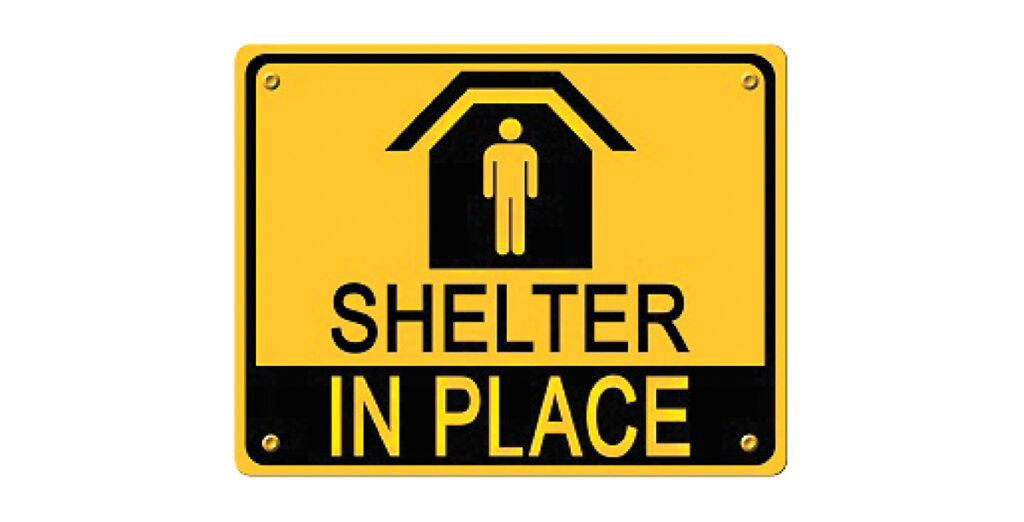
What’s shelter-in-place alert?
Sent by the local government this is a warning for residents, families and caregivers to take immediate precautions and stay at home. Leaving could be dangerous due to a chemical spill, a potentially violent incident, or severe weather. If you are given an alert via text, radio or emergency authorities, etc., stay inside, lock doors and windows, and follow official updates until things return to normal.
Worried about AI?
As we all figure out how to use AI in daily life for health, caregiving and personal matters, there are some
suggested right and wrong ways to use it:
Don’ts:
• Treat AI like a person
• Take personal or medical advice from AI
• Believe everything it suggests
Dos :
• Try writing drafts for you to modify
• Brainstorm ideas to inspire your own thinking.
• Automate workflows or lists
• Enhance, don’t replace, let AI support decision-making, creativity, and productivity, but remain in control.
Images: Shutterstock. Getty Images. iStock. weeklysafety.com. Canada’s Food Guide. A.C. Unsplash. iStock. studiogstock.