Living with purpose
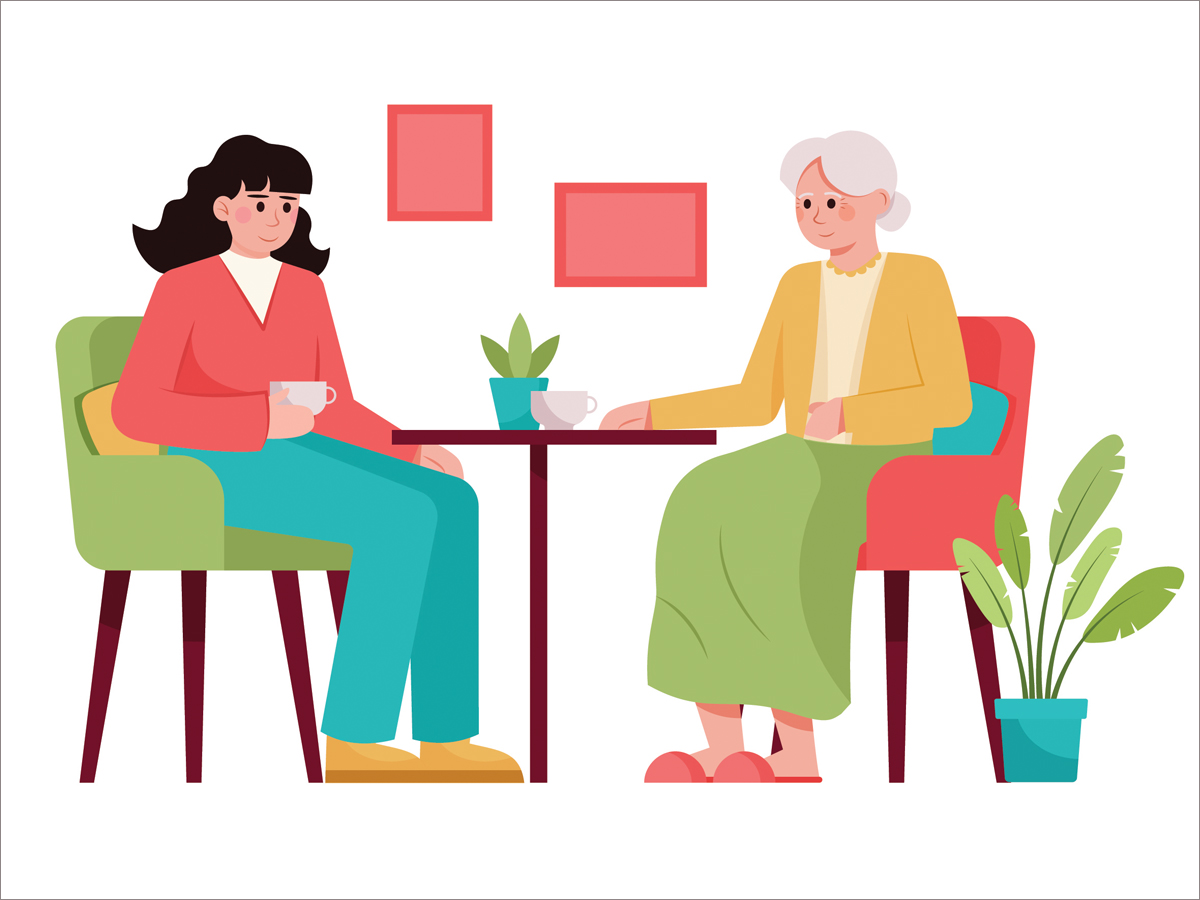
What’s the difference between staying sharp in your late 80s or having a sharp mental decline in your sixties? A new study shows it could be something as simple as having a purpose. Dr. Gabrielle Pfund conducted a study with 1,702 people, 65 years old and older, and asked them about their mental sharpness and levels of well-being for up to 10 years. “This study focuses on the reciprocal relationship between cognitive function with three domains of well-being: (1) sense of purpose (the extent to which one feels they have personally meaningful goals and activities), (2) eudaimonic well-being (one’s sense of autonomy, personal growth, purpose, and connection to others), and (3) life satisfaction (one’s sense of contentment with their life),” Pfund elaborated.
So, what is a sense of purpose? Well Pfund states it can be conceptualized as the extent to which one feels they have personally meaningful goals and directions guiding them through life. But how do you find it? A ‘top-down’ approach can be beneficial, what little moments of the day do you feel most purposeful? Look into the similarities between these experiences and reverse engineer your purpose based off of those small moments.
Source: Upworthy
Understanding Dysphagia
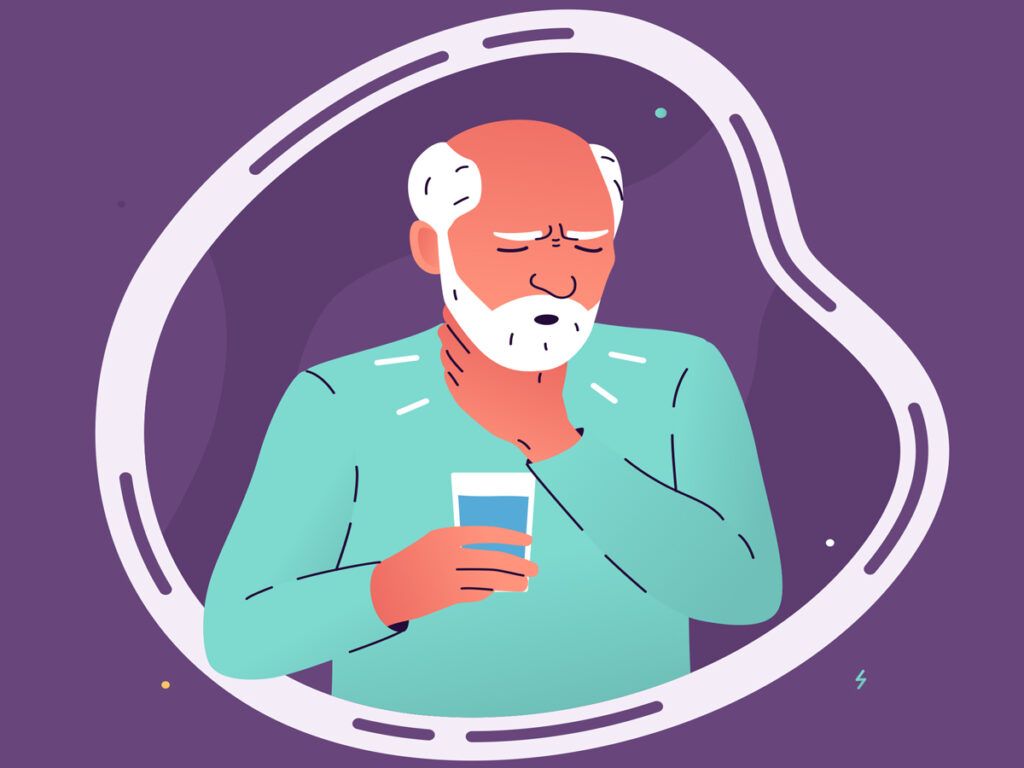
If you’re finding it harder to swallow food, drinks or medications it may be dysphagia, which affects 30% of adults aged 65+. While it isn’t a disease in its own right, dysphagia can be a symptom of various health problems including stroke, brain injury, COPD, Parkinson’s, cancers and dementia. It can also cause aspiration (substances going down the ‘wrong pipe’) , which can lead to coughing, choking and aspiration pneumonia. Common red flags include; taking a long time to chew or swallow, wet or ‘gurgley’ sounding voice immediately after swallowing, coughing, throat clearing, and the need for smaller bites or sips.
People who live with dysphagia may start to avoid eating or drinking as much as they need to get proper nutrients or fluid intake. The result? Over time—loss of muscle, unhealthy weight loss, dehydration, and malnutrition, if it occurs for a prolonged period of time. It can also cause fear, frustration and lack of enjoyment while eating. Professionals such as speech-language pathologists can provide treatment, and occupational therapists and dietitians can provide support.
Source: McMaster Optimal Aging Portal
Pets: the new probiotic?
The rate of immune related diseases (i.e., asthma, eczema, allergies) has soared in the general population—but that’s not the situation for the Amish. A 2016 US and German study concluded that Amish children’s environment shapes their immune system in such a way that they have lower risk of allergies. Globally, research done over the years has reiterated the benefits of having animals in close contact to living quarters including a potential increase immunity against a variety of immune related diseases. In recent news, a study from January of 2025 found that having a dog at home can help to prevent eczema in some children who are genetically prone to the condition. The possibly protective nature of pets has piqued the interest of many. The New York Times asked if “pets are the new probiotic” and they may be onto something. Suggestions that the microbiome could be colonised by bugs from our pets may strike an interesting visual, but it has been shown that microbes from animals’ paws and fur have been shown to temporarily end up on our skin—possibly giving us immunity.
Source: BBC
Images: Shutterstock