Are AI chatbots good therapists?
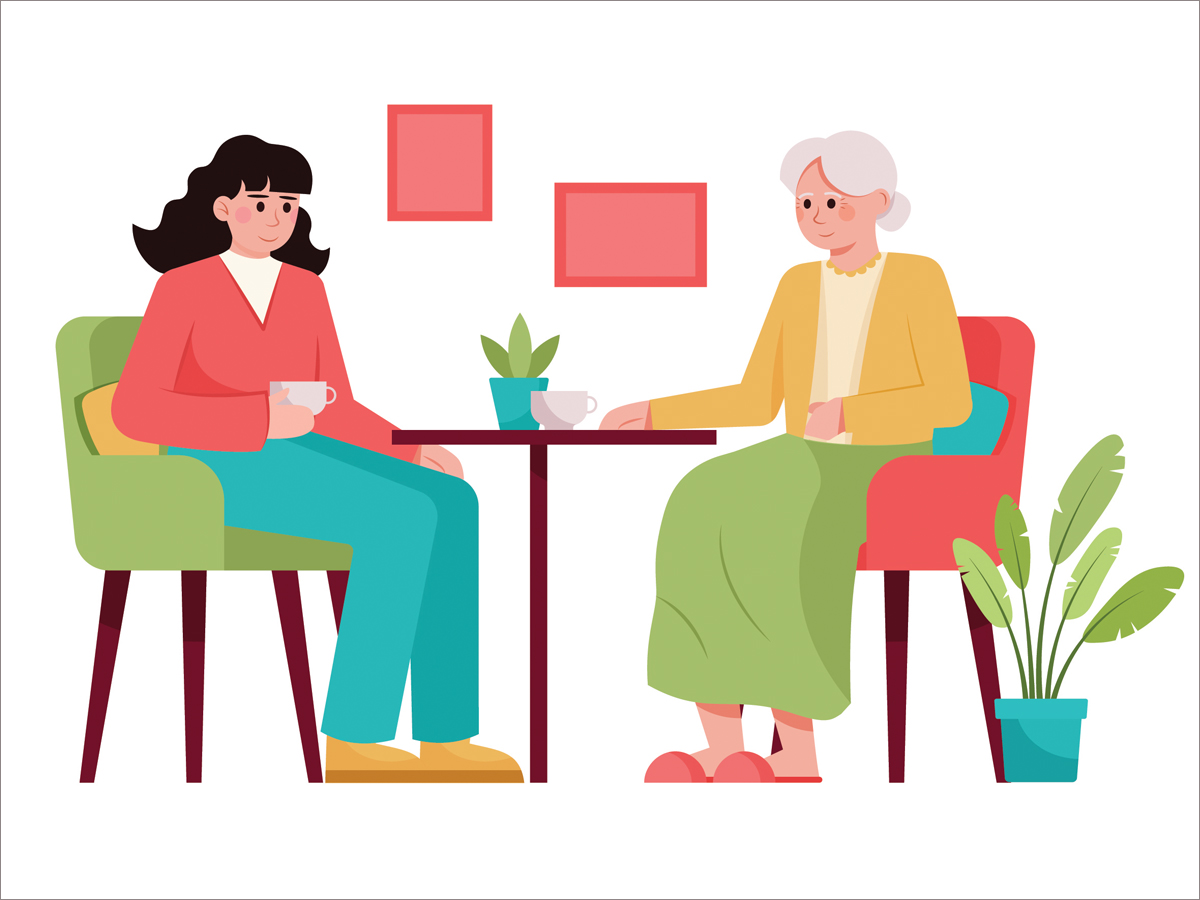
The use of artificial intelligence for mental health support is increasing, raising important questions about readiness, safety, and responsible innovation. A recent survey by Mental Health Research Canada found that nearly 10 percent of Canadians intentionally use AI tools for mental health advice or support. This trend reflects systemic gaps in mental health care, including limited public coverage, long waitlists, and high costs, with few alternatives.
AI can help reduce barriers to information and assist users in understanding and expressing emotions. Experts do warn chatbots are not substitutes for qualified mental health professionals and may pose risks, particularly for mental illness or substance use challenges. Research shows that AI tools can reinforce bias, stigma, and discrimination, with studies finding that chatbots respond more negatively to people described as having severe illness or disorders.
Additional concerns include “AI psychosis,” where chatbots may validate or amplify harmful or delusional thinking discouraging users from seeking real-world help. All of us are encouraged to prioritize professional care, protect privacy, and critically evaluate AI-generated information.
Source: Canadian Mental Health Association

How alcohol can decrease testosterone
Alcohol is often associated with confidence, yet research shows it can significantly reduce testosterone, a hormone essential to men’s energy, mood, muscle mass, sex drive, and fertility. While occasional drinking is unlikely to cause harm, heavy or regular alcohol consumption can lower testosterone levels by seven per cent. In heavy drinkers it can be by as much as 20 to 50 per cent. Even one episode of excessive drinking can cause testosterone to drop within 30 minutes—levels may recover if drinking is infrequent.
Long-term alcohol use has been linked to sustained testosterone suppression and related health conditions such as obesity and diabetes, which further contribute to hormonal imbalance. Testing for testosterone in Canada typically requires a physician’s referral and is most accurate when done in the morning. Low testosterone can also affect fertility, and external testosterone treatments may suppress sperm production, increasing infertility risk. Encouragingly, testosterone levels often improve within weeks or months of reducing or stopping alcohol use. Lifestyle changes, including better sleep, stress management, regular exercise, and balanced nutrition, can further support healthy testosterone levels.
Source: Don’t Change Much

The risk of men’s online health clinics
The latest Movember report highlights the significant disengagement of Canadian men from health care, with two-thirds delaying medical visits and many feeling unfairly treated by physicians. This research shows men often avoiding doctors’ visits and mental health support. Naturally, this contributes to serious consequences. In 2023 alone, 75,000 Canadian men died prematurely from causes such as cancer, overdose, and suicide.
To encourage men to seek healthcare there’s been a growth of direct-to-consumer (D2C) online men’s clinics, marketing themselves as stigma-free alternatives for erectile dysfunction, hair loss, weight loss, and low testosterone. While virtual care can improve engagement, experts warn many of these clinics exploit masculine insecurities, provide misinformation, prescribe medications outside established clinical guidelines and lack adequate monitoring.
Studies have found inconsistent provider credentials, limited specialist involvement, and frequent overprescribing, despite serious health risks. In Canada, weak regulation and cross-border virtual care further complicate oversight, creating what many describe as a regulatory “wild west.” Clinicians stress evidence-based care, proper assessment, and informed consent.
Source: Canadian Affairs
Images: iStock. Fotos, Svitlana, Rylan Hill, Unsplash.