Eating together
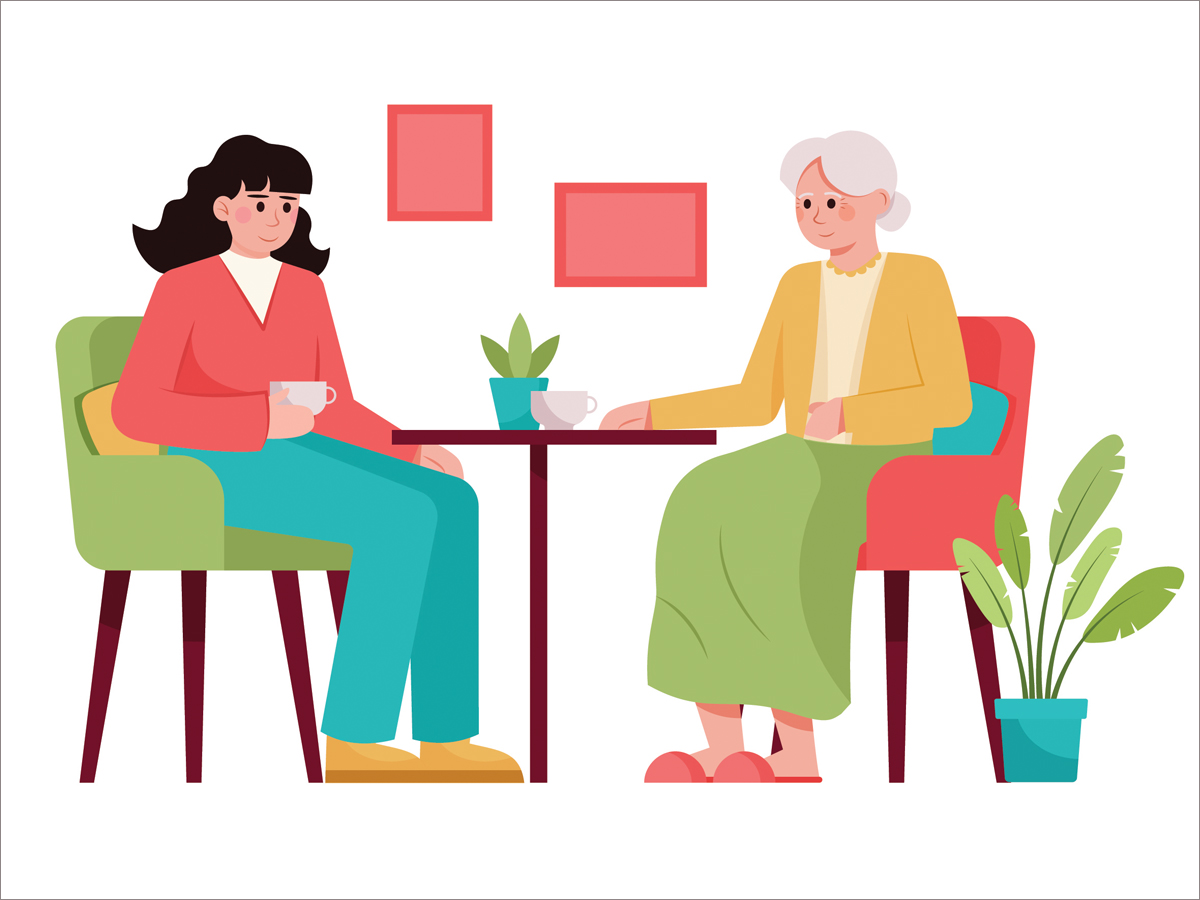
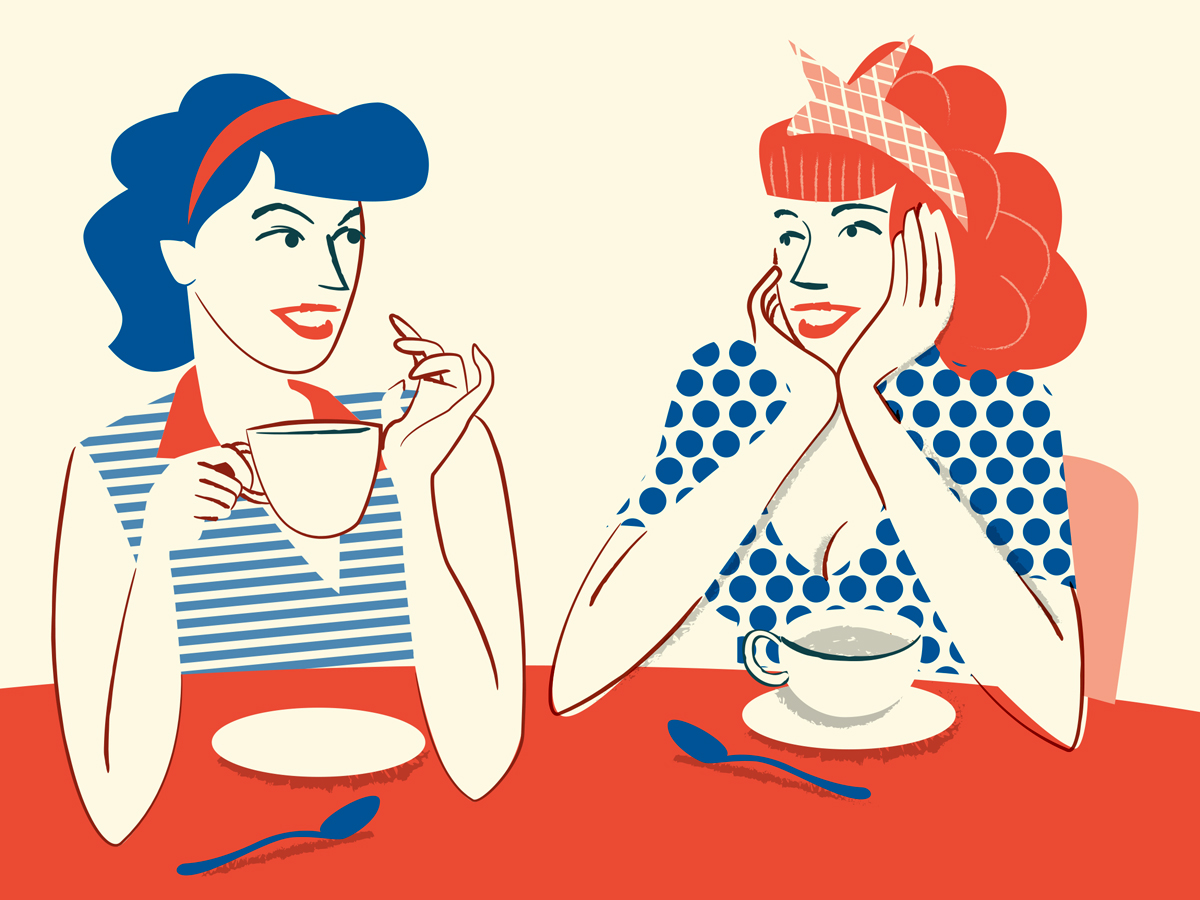
A supportive environment where meals are shared not only helps emotional well-being and social interaction, but it:
• Encourages healthier eating habits
• Provides a chance to monitor portion sizes and nutritional values
• Creates memories and meaningful time together
• Allows for sharing and companionship.

Caring from afar
Long distance caregiving can be tricky. Tips for staying organized include:
1. Keep vital information easy to access in your loved one’s home and on your phone for quick reference
2. Develop a relationship with neighbours and one or two key members of their healthcare team
3. Consider a security or personal alert system for emergency support
4. Look into volunteer visiting services or meal/shopping delivery services
5. Use technology such as text, zoom and what’s app to stay in touch.

14 ways to slow, or prevent dementia
It’s never too late to focus on your brain health. Here are some things you can do to support yourself:
• Think better vision
• Think no smoking
• Think mental health
• Think better vision
• Think mental stimulation
• Think head protection
• Think low LDL cholesterol
• Think exercise
• Think diabetes management
• Think less alcohol
• Think blood pressure
• Think healthy weight
• Think clean air
• Think being social
The National Institute on Aging
Dynamic disabilities
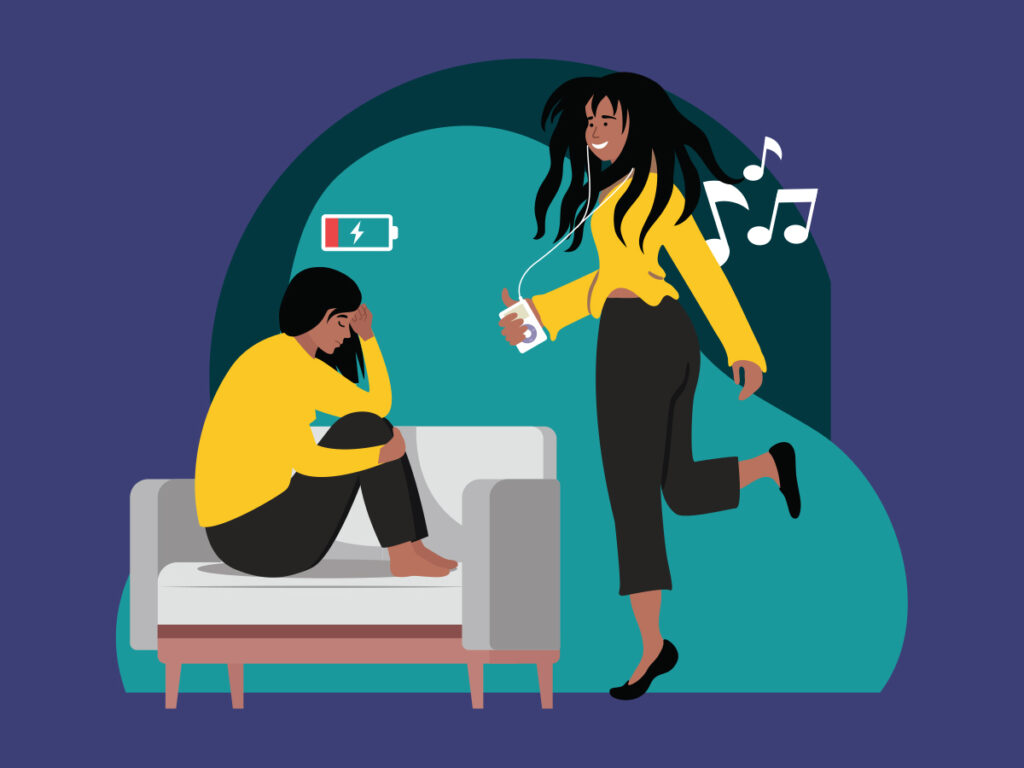
Studies have shown that over 35% of persons living with disabilities aged 15 and older had continuous limitations while 64.2% had dynamic disabilities; meaning they experienced progressive, recurrent or fluctuating limitations.
Source: Statcan.gc.ca

Laughter Therapy
Not only has laughing been shown to enhance your intake of oxygen rich air, but it also stimulates your heart, lungs, muscles and increases the endorphins that are released by your brain. The positive effects of laughter can make you more open to new people, and can deactivate your stress response.
Source: Cleveland Clinic
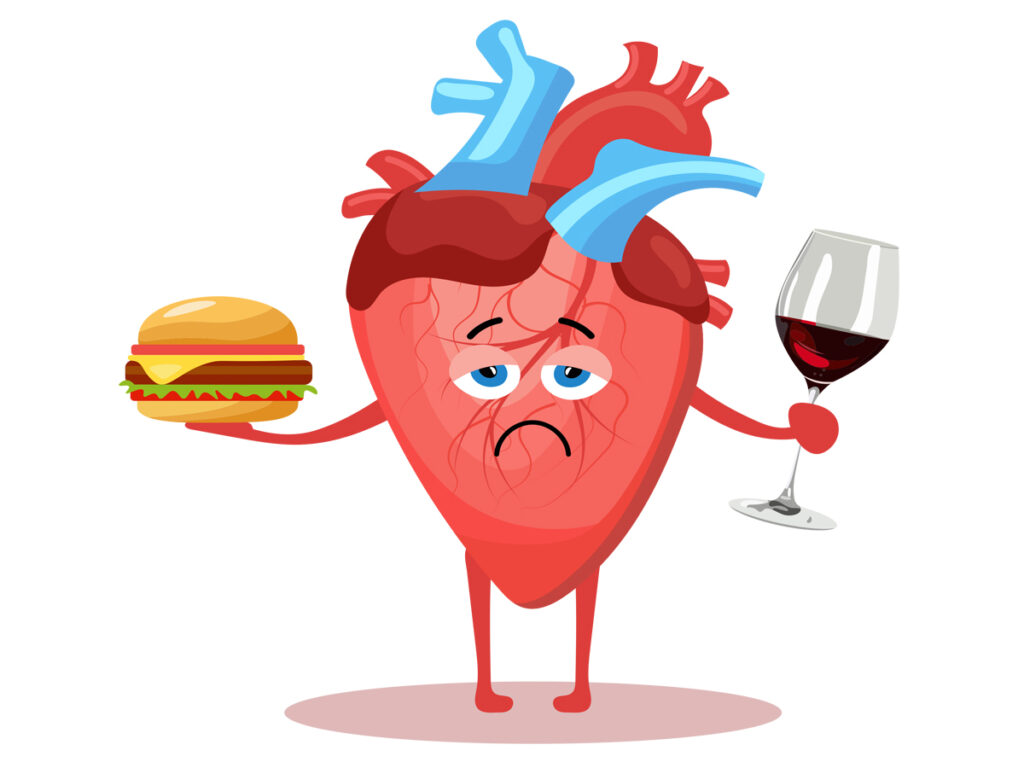
10 Worst Habits for your Heart
• Not getting enough physical activity. Inactivity weakens the heart, increases mortality, and raises cardiovascular disease risk.
• Drinking too much alcohol. Excess alcohol raises blood pressure, disrupts heart rhythms, damages heart muscle.
• Skimping on sleep. Poor sleep increases blood pressure, diabetes risk, weight gain, heart strain.
• Eating foods bad for your heart. Processed, salty, sugary foods drive cholesterol imbalance and heart disease.
• Living a lonely life. Social isolation significantly increases heart disease, stroke, and blood pressure risk.
• Smoking or vaping tobacco. Tobacco damages blood vessels, accelerates plaque buildup, triggers heart failure
• Minimizing mental health and stress. Chronic stress elevates blood pressure and contributes to heart weakening.
• Waiting to lose weight. Excess body weight silently worsens cholesterol, blood sugar, pressure levels.
• Neglecting dental health. Poor oral health and inflammation are linked to increased heart disease risk.
• Giving up too soon. Abandoning healthy habits prevents long-term, sustainable heart health improvements.
Source: AARP
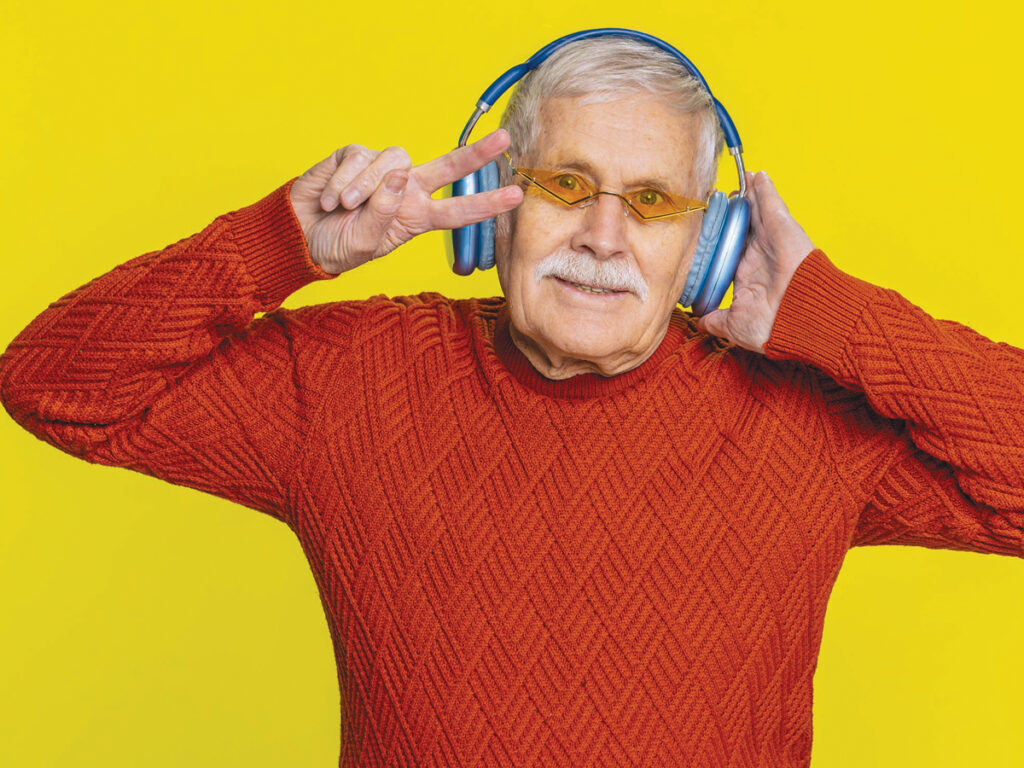
What is sensory health?
The way our nervous systems processes sound, light, touch, movement, and other input is referred to as our sensory health. Often overlooked, experts suggest that when our sensory needs are unmet, stress, anxiety, and fatigue have been shown to increase.
Simply put, as daily environments become more stimulating and digitally driven, supporting sensory health is emerging as a preventative, inclusive approach to mental wellbeing that helps people stay more regulated, focused, and engaged.
A few ways to improve sensory health are with calm spaces, time in nature or use of noise cancelling headphones and weighed blankets.
Images: Natalia Blauth. iStock. Shutterstock. Curated Lifestyle.