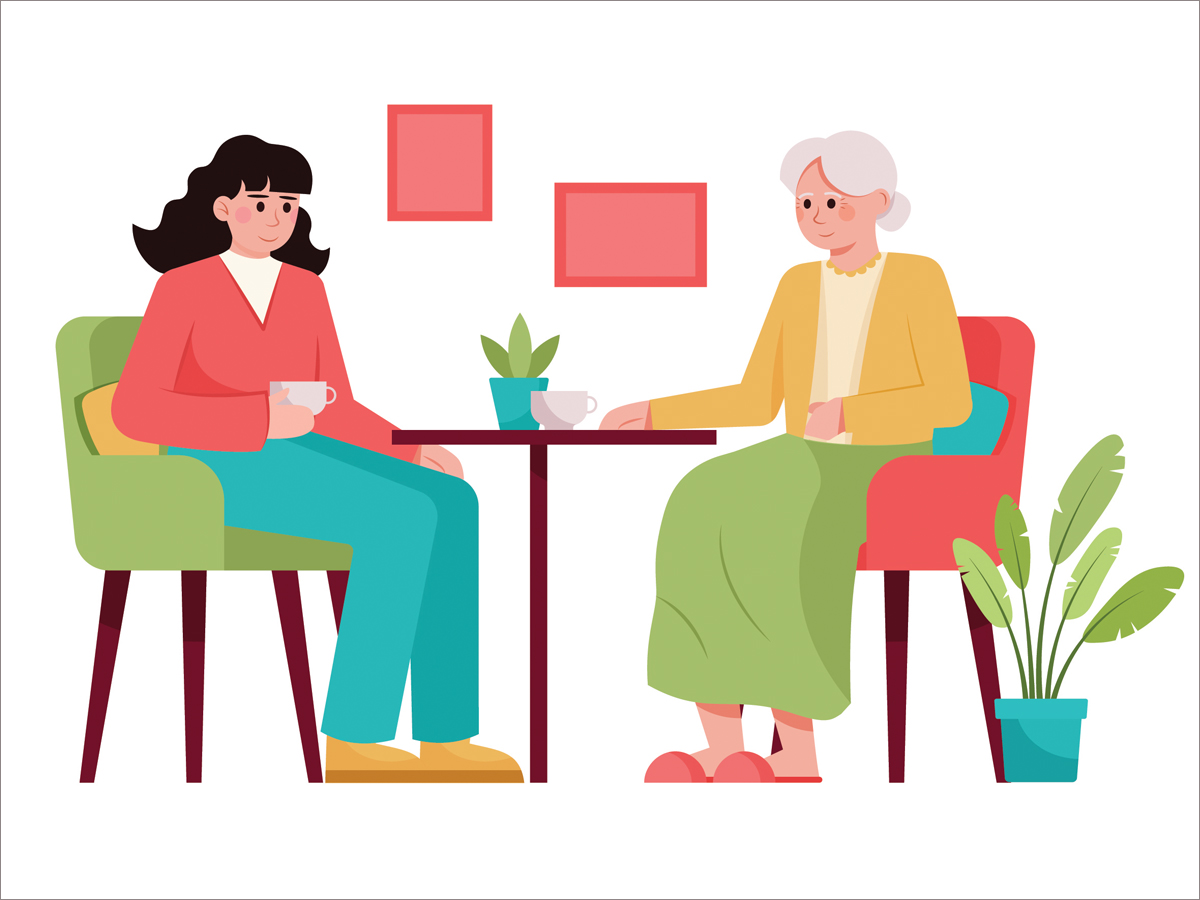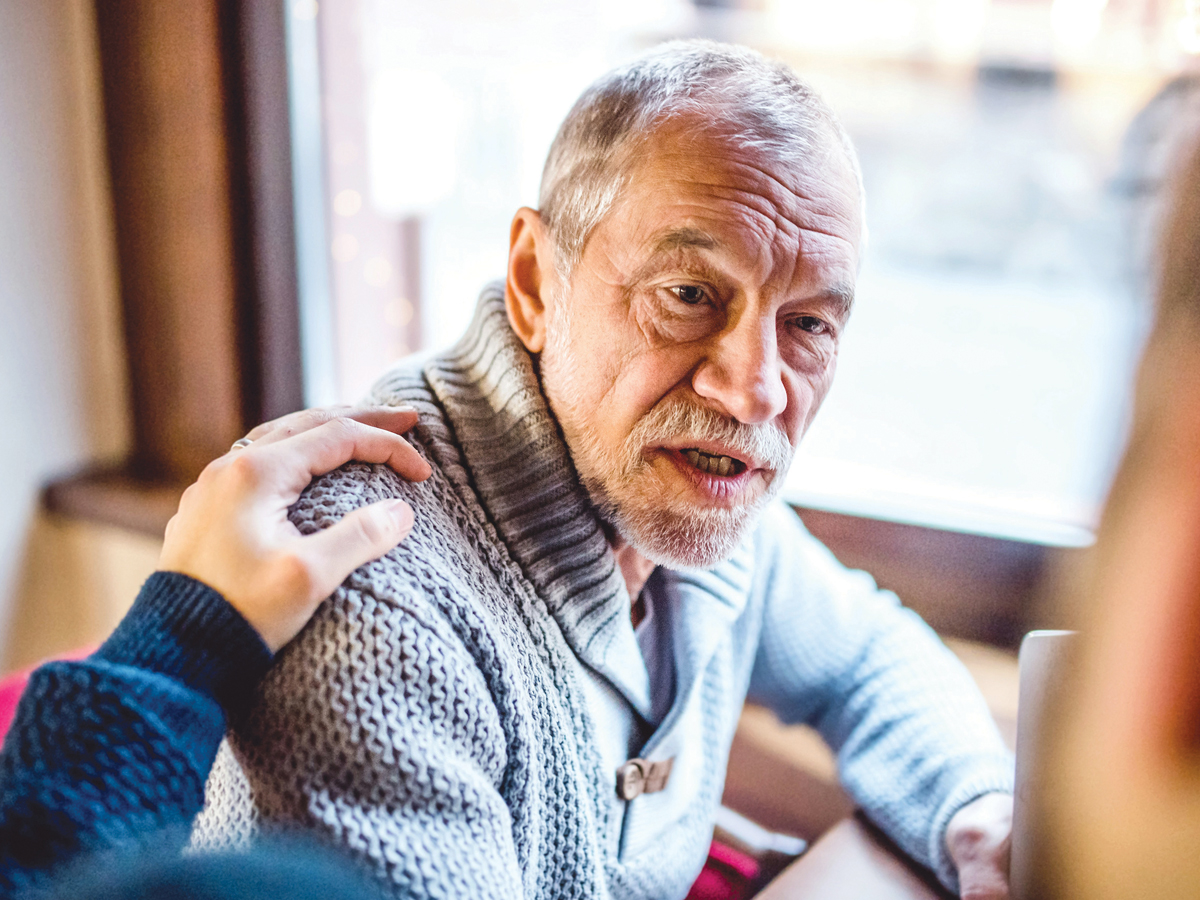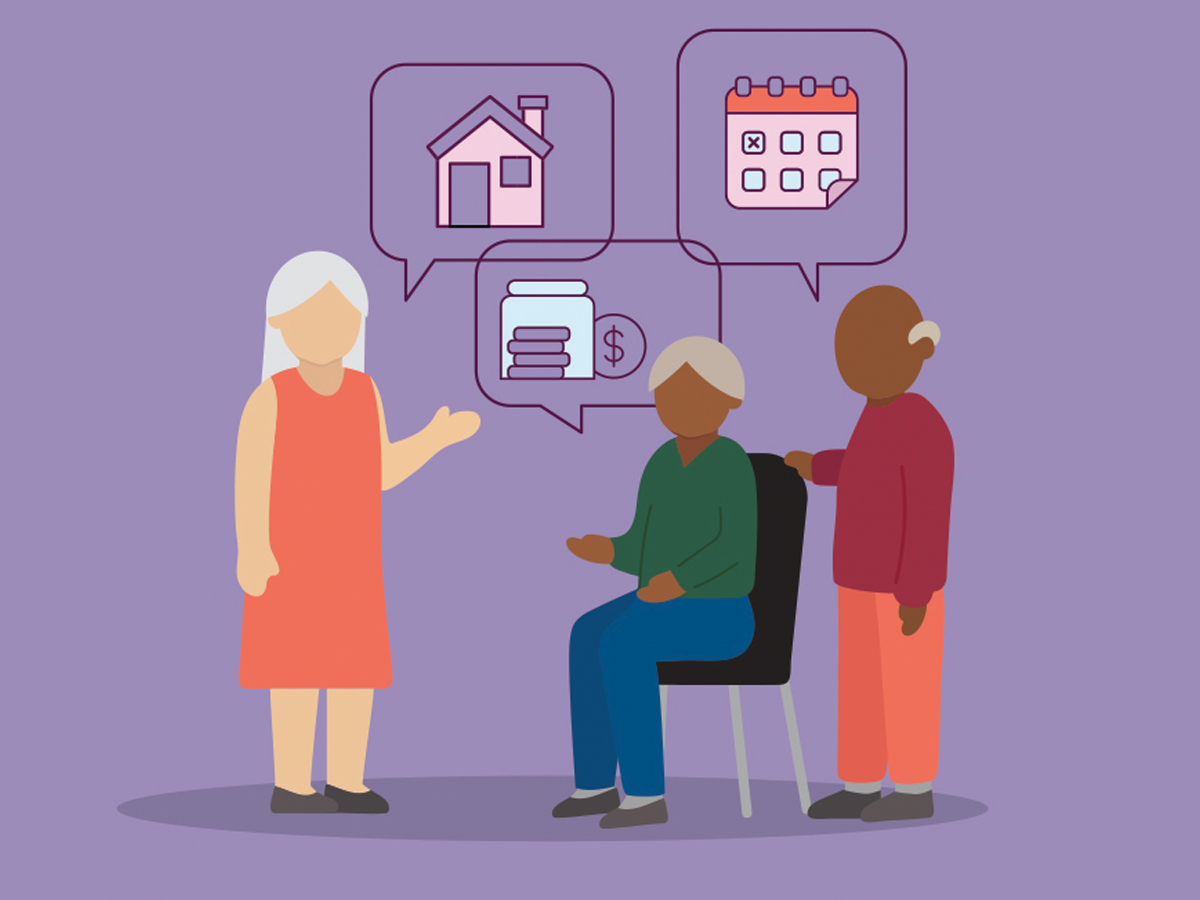
With integrated in-person and virtual care—and the complexity of co-occurring needs—family caregivers are often in a key position to ask questions and advocate during care transitions or handoffs. These opportunities might occur during shift changes, new provider and treatment appointments or specialist visits for example. They can also occur between family and friends take over care responsibilities.
Taking advantage of transition times to share, ‘speak up or ask questions” not only improves a caregiver’s understanding of their loved one’s immediate health needs, but also supports the development of a more effective plan-of-care.
What’s often referred to by professionals as a “warm handoff” can also occur when the patient, and ideally their family, are talking about being physically moved back home, transferring from one facility to another, or one ward to another in hospital or into hospice. The goal is, of course, to plan ahead, get everyone on the same page and ensure continuity of care. Patients will also feel more involved in decisions about their care during changing times.
Additional benefits of warm handoff’s are the facilitation of a more person-centered focus, reduced safety risks, efficient coordination and time management, as well as reduced patient and family anxiety. During a warm handoff, the current provider can share medical and personal history and other relevant information with the patient present and participating.
During helpful conversations like this, questions can surface, voices can be heard and opinions considered—a more dignified and empowering way to transfer information—and an early opportunity for everyone to begin building rapport even before takeovers and treatment time.
Let’s face it, the smoother the process the better the care.
Publisher/Editor
Caroline Tapp-McDougall
caroline@bcsgroup.com
Photo: iStock