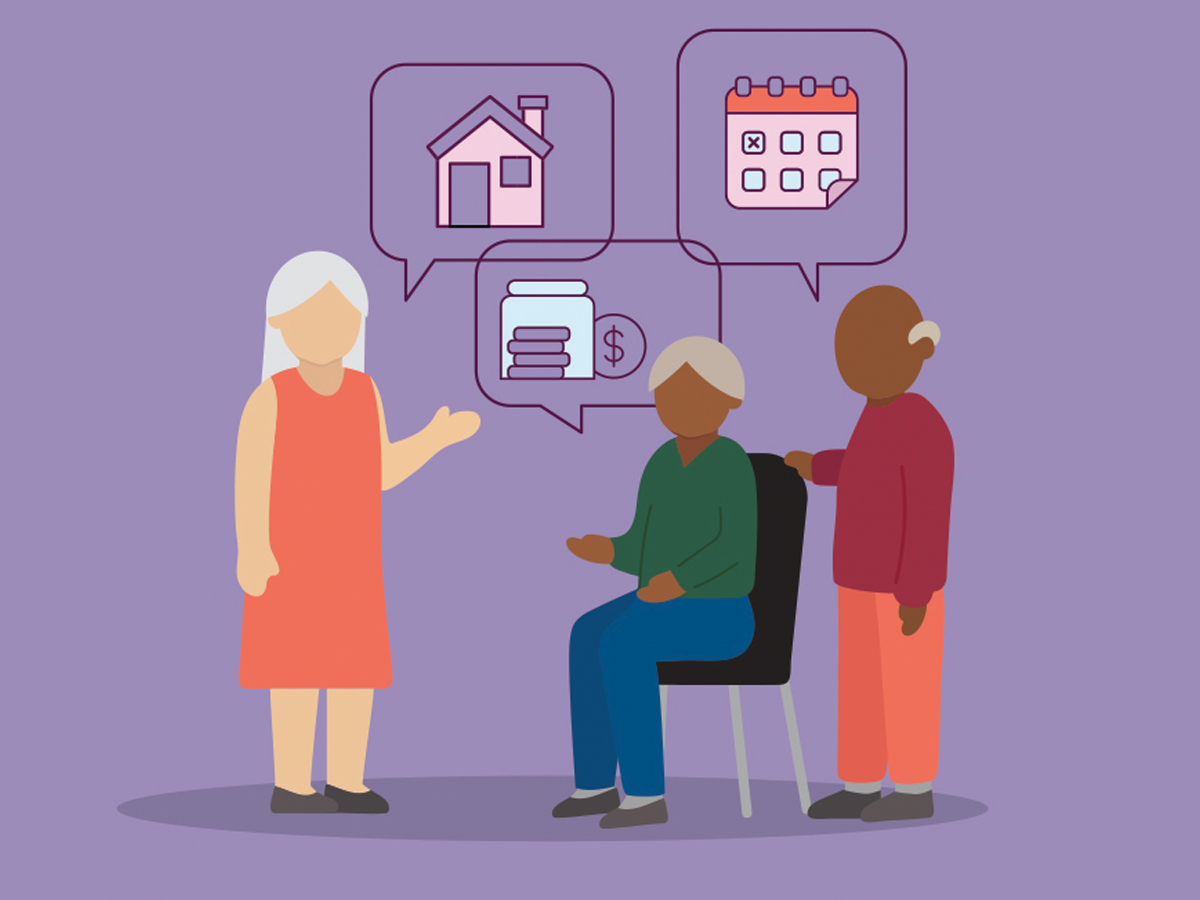
Usually associated with hovering, over involved parenting, helicoptering is now being used to describe family caregivers who take over, coddle, risk-protect and micromanage older adults in their care.
The lines can be blurry between well-intentioned help and support for an older adult in need and the super attentive, risk adverse, fussing style of care that tends to reduce independence and exacerbate feelings of anxiety, embarrassment, or resentment. As many of us know who’ve spent time caring for parents can be stressful and your body can react to that stress in many different ways. So, for many caregivers, the easiest way to cope may be to simply make decisions, manage meals, clothing, personal care or home maintenance and make a fuss rather than let things ride or wait patiently.
What to watch for
Not only does trying to control every detail make things harder for everyone but it can also lead to frustration, disappointment and burnout for the caregiver in the long run. Stress and anxiety can interfere with your everyday family life, job and finances. So, it’s helpful to think about how your care and check in with yourself to see how much of a helicopter you really are. Are you…?
• Always trying to take charge and solve every real or potential problem
• Forgetting or ignoring the expressed wishes of the person who you’re caring for
• Speaking for the person before asking for their opinion or wishes
• Believing that you always know what’s best for them
• Continually ignoring or over-riding other family members who may wish to help or have ideas
• Excessive supervision and monitoring of daily life when it’s not always needed
• Making rules/ guidelines that are overly controlling for fear of injury/mistakes
• Disrespecting a loved one’s privacy/personal spaces
• Overreacting or exaggerating with health professionals and others to get results
• Being overly suspicious, overcautious and finding fault
• Spending hours worrying, discussing and over-thinking things
Just as it is when looking after children, there’s a delicate balance between falling into the trap of conscientiously over doing it and gentle, careful management of the day-to-day.
At times, experts suggest that some of the behaviours demonstrated in both helicopter parenting and helicopter caregiving are founded in the carer’s personal anxiety and fear. This can drives an intense, often hidden need to control surroundings and outcomes. Paradoxically, this often makes things worse.
What is person centered care?
To avoid ‘helicoptering” characteristics and adjust the type of care you are providing consider what’s called “person-centered care” It’s a collaborative, compassionate, and respectful approach that treats individuals as partners in their own care. Focusing on the individual’s personality, unique needs, values, and personal preferences, this style of care prioritizes dignity, independence, and active participation in decision-making. Beyond just treating their illness or frailty it looks are caring and being aware of the whole person.
Time to reassess?
Here are some things you can consider when deciding on the level of involvement you need to have in order to foster a good ongoing relationship:
1) Try to recognize that control doesn’t always guarantee safety and that living with uncertainty is part of the caregiving journey.
2) Notice your mindset. Identify your triggers and try to use mindfulness or grounding to reframe and break your worrying cycle
3) Consider whether you regularly ask the person you are caring for what they need or want from you?
4) Focus on including them in discussions and decisions with health professionals whenever possible?
5) Explore the ways you encourage and effectively foster independence and self-care?
6) Ask yourself If your decisions take into consideration their previous/preferred environment, lifestyle and all the options available before jumping into action?
7) Can you agree on setting boundaries that allow freedom and autonomy without compromising safety?
8) Start by letting go of minor things. Find ways to include others in planning or on the care team to offload some of the responsibility?
Best of intentions
Consider the outcomes that you are trying to achieve. Focus on the present and developing coping skills that will help you to deal with stressful situations, manage any anxiety you might have and worry less about every little outcome. If you’re like most caregivers, I think you’ll discover the over-riding goal is a blend of staying healthy yourself, the wellbeing and safety of the person being cared and the best possible results with the resources available.
Perhaps it’s time to take a second look.

Recognizing when you need more help
If you’re struggling to cope, it may take some trial and error to readjust and discover what works for both you and the family/ friends you are caring for. Here are a few activities to try when you start to feel overwhelmed:
• Write things down
• Find some relaxation exercises that work for you
• Stick to a healthy sleep and meal routine
• Avoid alcohol, too much caffeine or junk foods with no nutritious value
• Call, text or see the people your life who are positive
• Reach out to ask for professional help
Images: iStock