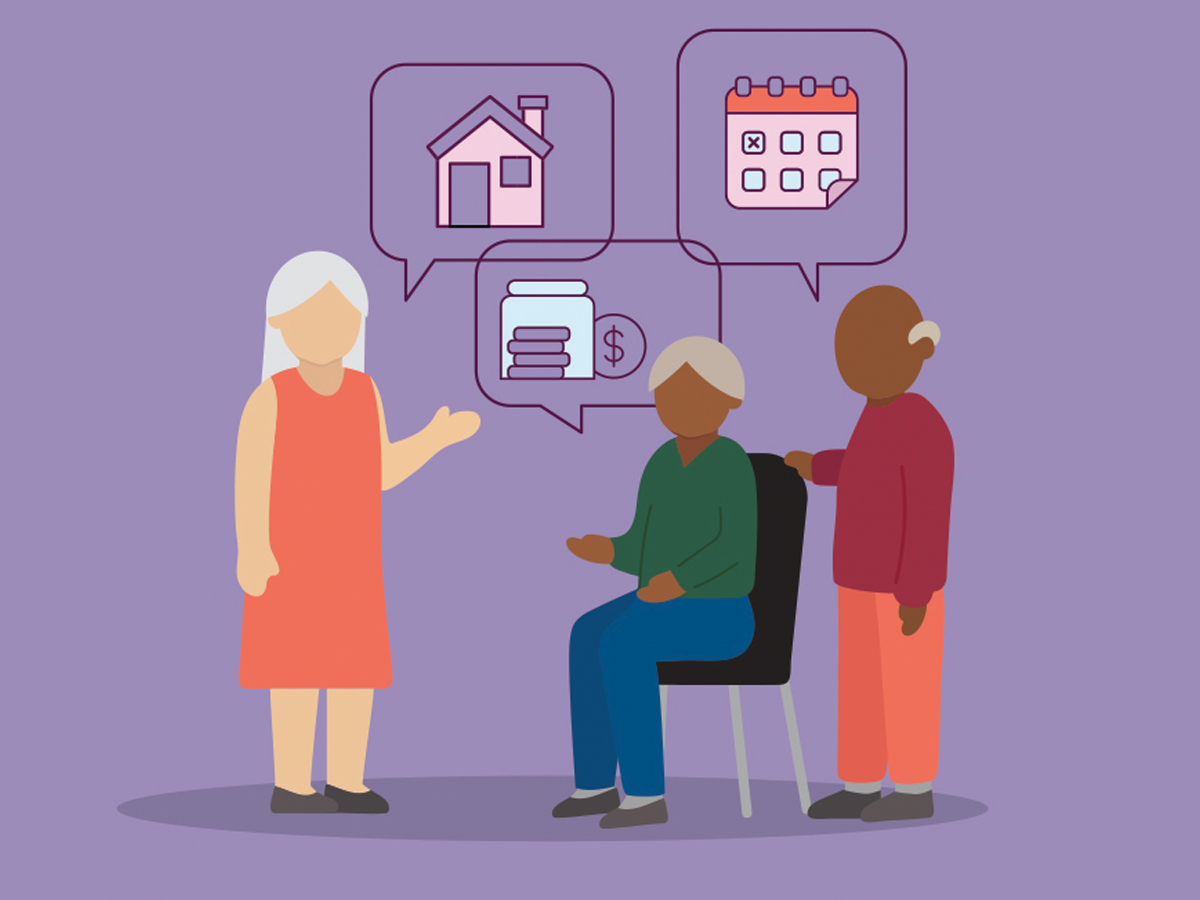
FRUSTRATED HUSBAND
Q) I love my wife dearly, but I find myself getting angry when she asks me for assistance. I feel so guilty because I know none of this is her fault. Do other carers feel the same?
Anger, frustration, and irritation are all very normal emotions one can feel as a caregiver when under stress. This is nothing to be ashamed of but you’re right in your quest to find better and more constructive ways to cope when times get tough. Experts suggest: 1) Discussing things that are bothering you with your wife and see if you can come up with any innovative solutions together. Why is she needing help? Can equipment make things easier? Is there a missing diagnosis or side-affect that is causing her to need more help? 2) Consider getting help at home at least a few times a week. 3) Schedule breaks and “me time” that you can look forward to. 4) Continue to do pleasurable things together to stay connected and energized whenever possible.

NO DRIVING, WHAT NOW?
Q) My wife and I still enjoy living independently and don’t need much help day-to-day aside from our granddaughter teaching us how to use new apps on our phones. I know a time will come when we can’t drive ourselves, and we don’t want to bother family members, what can we do?
It can be hard to ask for help from family and friends when you proudly live independently with limited assistance. Inquire about other forms of local transportation services, or maybe ask your granddaughter to find you an app that can help you either find trusted, rideshare licensed drivers or provide shopping and delivery services for you and your wife.

I’M TOO FAR AWAY!
Q) My widowed mother is 92 and lives alone in a rural area. I’m an only child and live two provinces away, and while she has a few supports in place, I constantly worry about her. She’s missed appointments and I worry about her safety. What can I do to be a more effective long-distance caregiver?
A few ideas: Communicate often, regardless of your distance, and plan for an Occupational therapist or case manager to do an assessment. They’ll give you a realistic idea of: a) How she’s managing b) What other supports are recommended and available c) Fall prevention is key as well so be sure to get advice for safety proofing d) Consider reaching out to a local neighbour or friend who can check in daily and opt to increase services if you can. Explore local retirement residences or care homes for your mum. She may resist for now but its best to have a back-up plan just in case you need it.
Photos: CanStock. Shutterstock. Getty Images/Unsplash.