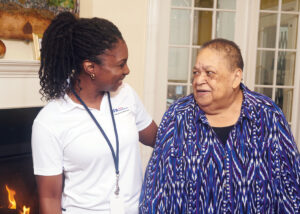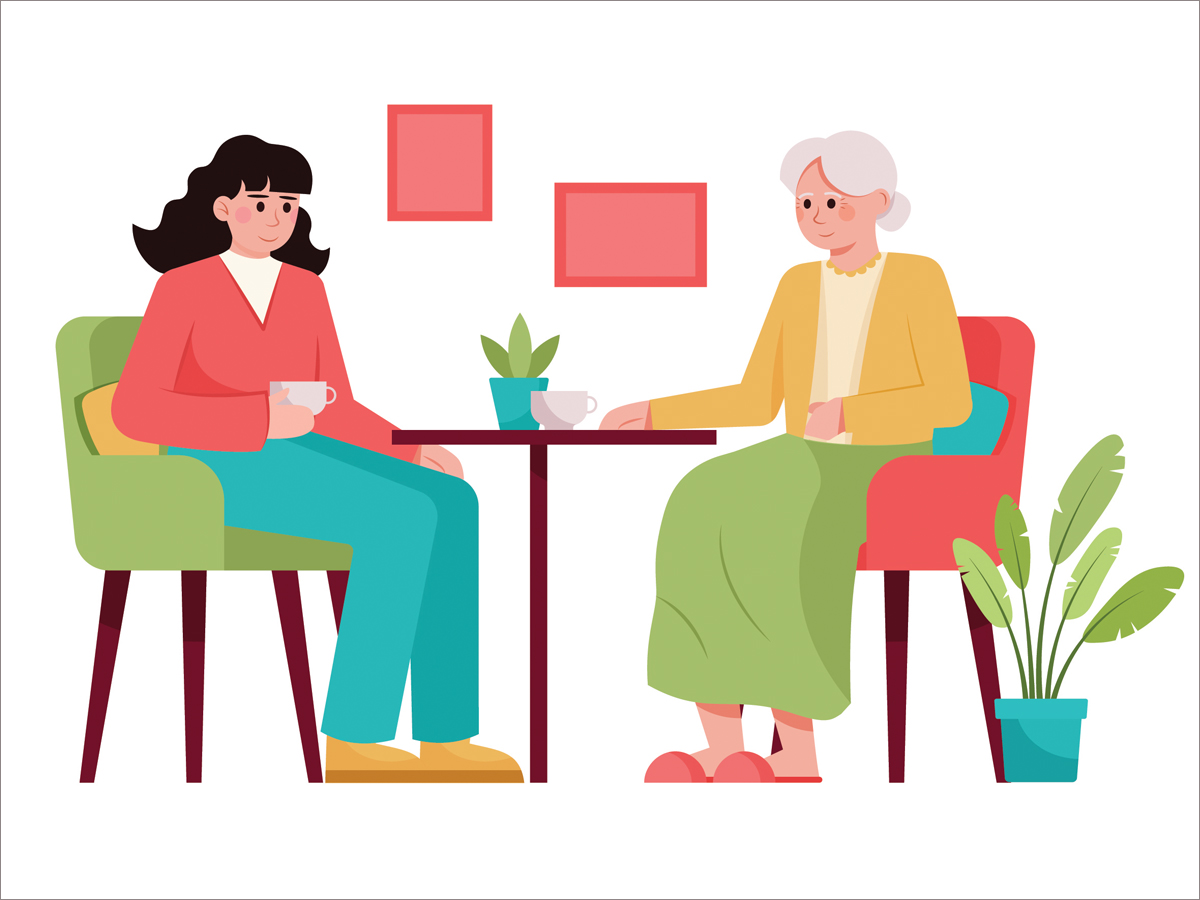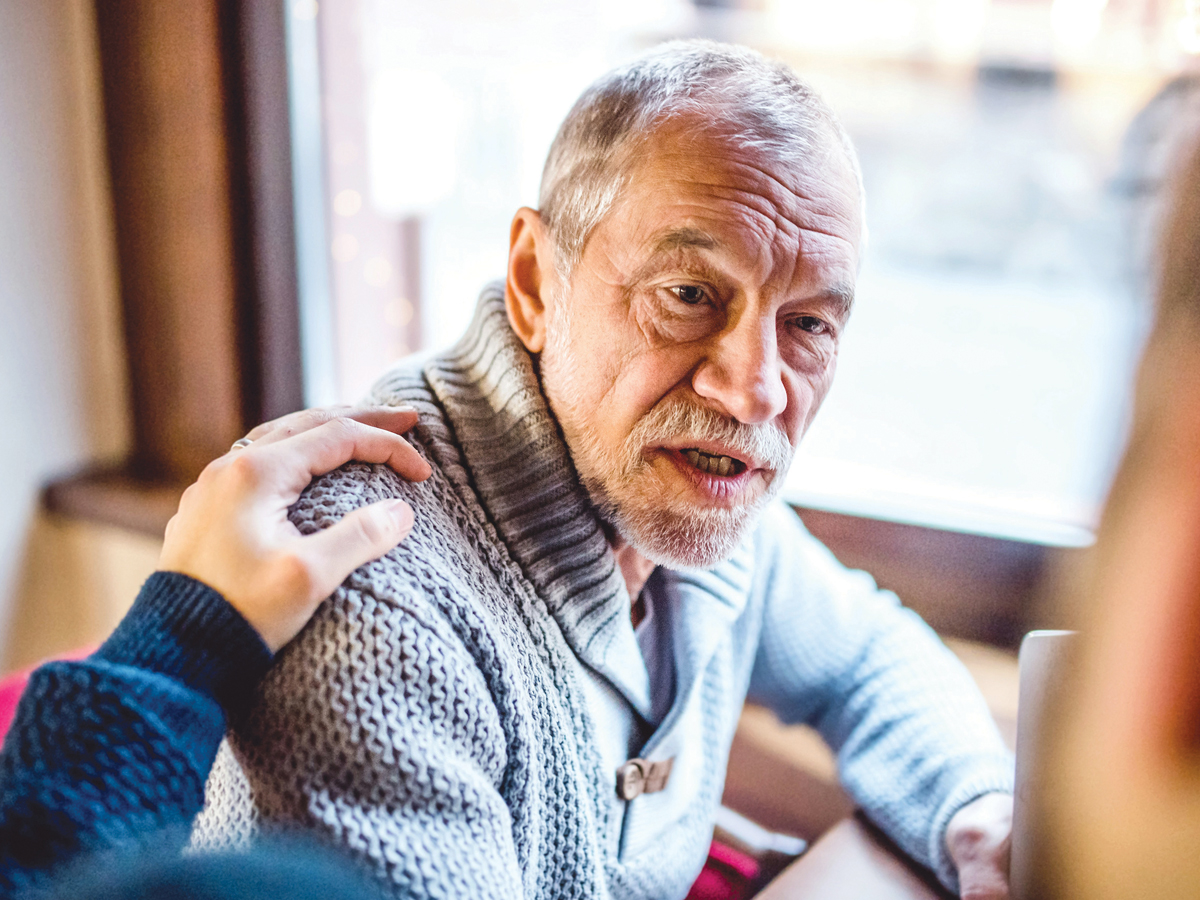
When a person is diagnosed with cancer, the impact extends far beyond the individual. Family members, friends, and loved ones often step into caregiving roles that are both meaningful and demanding.
Cancer caregivers frequently put their own needs aside to focus on the person receiving treatment. While this dedication is rooted in love and responsibility, it can take a serious toll over time. Supporting caregivers is not optional. It is essential to the wellbeing of both the caregiver and the person living with cancer.
Caregivers come from all backgrounds and cultures, and there is no single way to provide care. Some caregivers are spouses or partners, others are adult children, siblings, friends, or neighbours. Cultural values, family structures, and personal beliefs all shape how caregiving is approached. What caregivers share, regardless of circumstance, is the emotional, physical, and logistical weight of supporting someone through cancer.
Understanding the caregiving role
Cancer caregiving can take many forms. For some, it involves helping with daily activities such as preparing meals, driving to appointments, or managing household tasks. Others provide hands-on support with medication, physical therapy, or personal care such as bathing and mobility assistance. Some caregivers coordinate care from a distance, managing appointments, insurance, and communication with health care providers by phone or email. Nearly all caregivers offer emotional and spiritual support, often serving as a steady presence during an uncertain time.
These responsibilities often emerge suddenly, and many caregivers find themselves in unfamiliar roles. A parent who once provided care may now need support from an adult child. A partner may shift from an equal relationship to one that includes medical advocacy and physical care. Caregivers who are raising children or maintaining employment may struggle to balance competing responsibilities. Others may be managing their own health concerns while caring for someone else. It is common for caregivers to feel overwhelmed, confused, or stretched thin. These reactions are not signs of weakness. They are normal responses to sustained stress and responsibility.
The emotional impact of caregiving
Caregiving during cancer treatment can be emotionally complex. Many caregivers suppress their own fears, grief, or frustration in order to remain strong for the person with cancer. Over time, this can lead to emotional exhaustion, anxiety, or depression. Stress may show up physically as fatigue, headaches, sleep problems, or changes in appetite and weight.
Talking openly about these experiences can be difficult, especially when caregivers feel they should be grateful or resilient. However, unaddressed emotions can build resentment and strain relationships. Sharing feelings with a trusted friend, joining a support group, or speaking with a counselor can provide relief and perspective. Some caregivers prefer quiet reflection or journaling, while others benefit from conversation and shared experience. There is no right approach, only what works best for the individual.
Asking for and accepting help
Many caregivers look back and wish they had asked for help sooner. It can be hard to admit limits, especially when someone you love is facing cancer. However, caregiving is not meant to be done alone. Accepting help can protect a caregiver’s health and allow them to continue providing meaningful support.
Help can take many forms: Meals. Errands. Childcare. Transportation. Other household tasks.
Some caregivers designate a point person to update friends and family, reducing the burden of repeated communication. Online tools can also help coordinate support.
It is important to recognize that not everyone who cares will be able to help. Some people may be dealing with their own challenges, lack time, or feel unsure how to offer support. Others may be uncomfortable due to past experiences with illness. When possible, clearly expressing needs can help. In some cases, it may be healthiest to let go of expectations and focus on available support.
Self-care for the caregiver
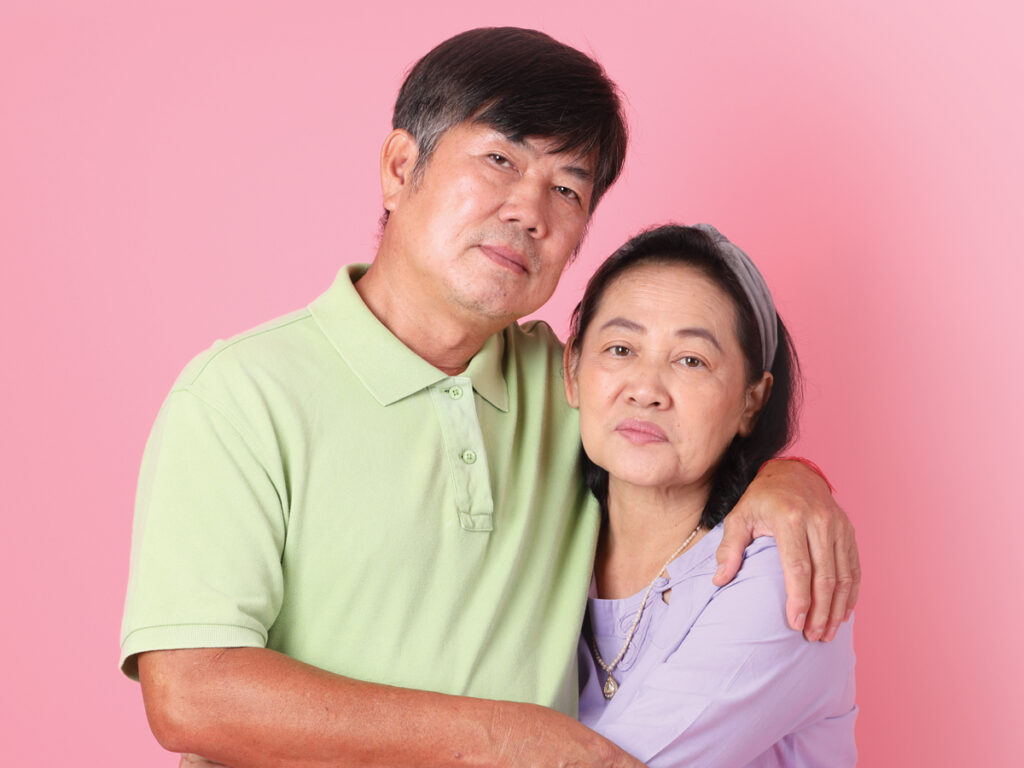
Caregivers often feel their needs are less important than those of the person with cancer. In reality, caregiver wellbeing is a cornerstone of effective care. Making time for rest, nutrition, movement, and emotional connection is not selfish. It is necessary.
Small, consistent acts of self-care can make a significant difference. Setting aside even 15 to 30 minutes a day for rest, gentle exercise, a hobby, or quiet reflection can help restore energy. Maintaining elements of a normal routine, such as regular meals or social connection, can reduce stress and provide a sense of stability.
Physical health should not be neglected. Caregivers are encouraged to keep up with their own medical appointments, take medications as prescribed, and seek medical advice if symptoms of anxiety or depression persist. Adequate sleep, balanced meals, and regular movement support both physical and emotional resilience.
Finding moments of joy and gratitude can also be grounding. Laughing, noticing small positive moments, or reflecting on meaningful connections can help caregivers find purpose even during difficult periods. These moments do not diminish the seriousness of cancer. They coexist with it.
Staying connected at a distance
Long-distance caregivers face unique challenges. Being physically removed can lead to feelings of helplessness or concern about missing important changes. Despite these challenges, long-distance caregivers can play vital roles as coordinators, advocates, and emotional supports.
Regular communication with the person receiving care and with local family members or friends is essential. Building relationships with members of the health care team, such as nurses or social workers, can provide reassurance and access to information. Organizing important documents, securing permission to receive medical updates, and keeping shared records can reduce confusion during emergencies.
Technology can help bridge the gap. Video calls, shared online updates, and messaging platforms allow caregivers to stay involved and connected. Planning visits thoughtfully, including time to rest afterward, can help prevent burnout. When caregivers are supported, they are better able to support others. Caring for the caregiver is not an added task. It is a vital part of the cancer journey, for individuals, families, and communities alike.
Caregiving and cancer are deeply intertwined experiences that reshape relationships and daily life. While caregiving can be exhausting and emotionally demanding, it can also foster closeness, resilience, and meaning. Supporting caregivers means recognizing their essential role and ensuring they have access to resources, understanding, and care for themselves.
Anjolina Rankin-West is an on staff writer.
Photos: iStock. Fellipe Ditadi.