As we age, our bodies change, and so can the way we think and feel about them.
While body image is often discussed as a concern for younger people, research shows that it continues to matter throughout adulthood and into later life. How we relate to our bodies can influence our confidence, mental well‑being, and willingness to stay socially and physically engaged.
A two minute video on mcmasteroptimalaging.org by clinical psychologist Dr. Keisha Gobin answers questions about body image and shares practical strategies to help people develop a healthier relationship with their bodies — at any age.
Body image is about more than liking or disliking how we look. It includes the thoughts, feelings, attitudes, and behaviours we have about our bodies — including how our bodies function and what they allow us to do.
For many older adults, body image becomes more complex over time. Physical changes related to aging, health conditions, or mobility can affect how we see ourselves. At the same time, many people begin to value their bodies less for appearance and more for strength, capability, and independence. Both experiences can exist at once.
When body image affects self-worth
Our bodies are an important part of our identity; but problems can arise when self-worth becomes too closely tied to appearance. This can show up in different ways, such as:
• Frequent checking or scrutinizing parts of the body (for example, pinching or staring in the mirror)
• Comparing our appearance to others
• Avoiding social activities, mirrors, or certain clothes because of how we feel about our bodies.
• Shifting the focus: You are more than your body
• One helpful strategy is to remind yourself that your value is made up of many parts — not just your physical appearance.
You might reflect on the roles and qualities that matter to you, such as being:
• A friend, partner, parent, or grandparent
• A colleague, volunteer, or mentor
• Someone with skills, experiences, and values shaped over a lifetime
• Investing time and energy in these areas can help rebalance how much importance we place on appearance alone.
Practicing helpful self-talk
Negative body-related thoughts are common, especially as bodies change with age. Try noticing these thoughts and gently reframing them in a more neutral and functional way. For example:
• Instead of: “I hate my arms.”
• Try: “These are arms that help me lift, reach, and carry.”
This approach doesn’t require forced positivity. The goal is to reduce harsh self-criticism and focus on what your body does, not just how it looks.
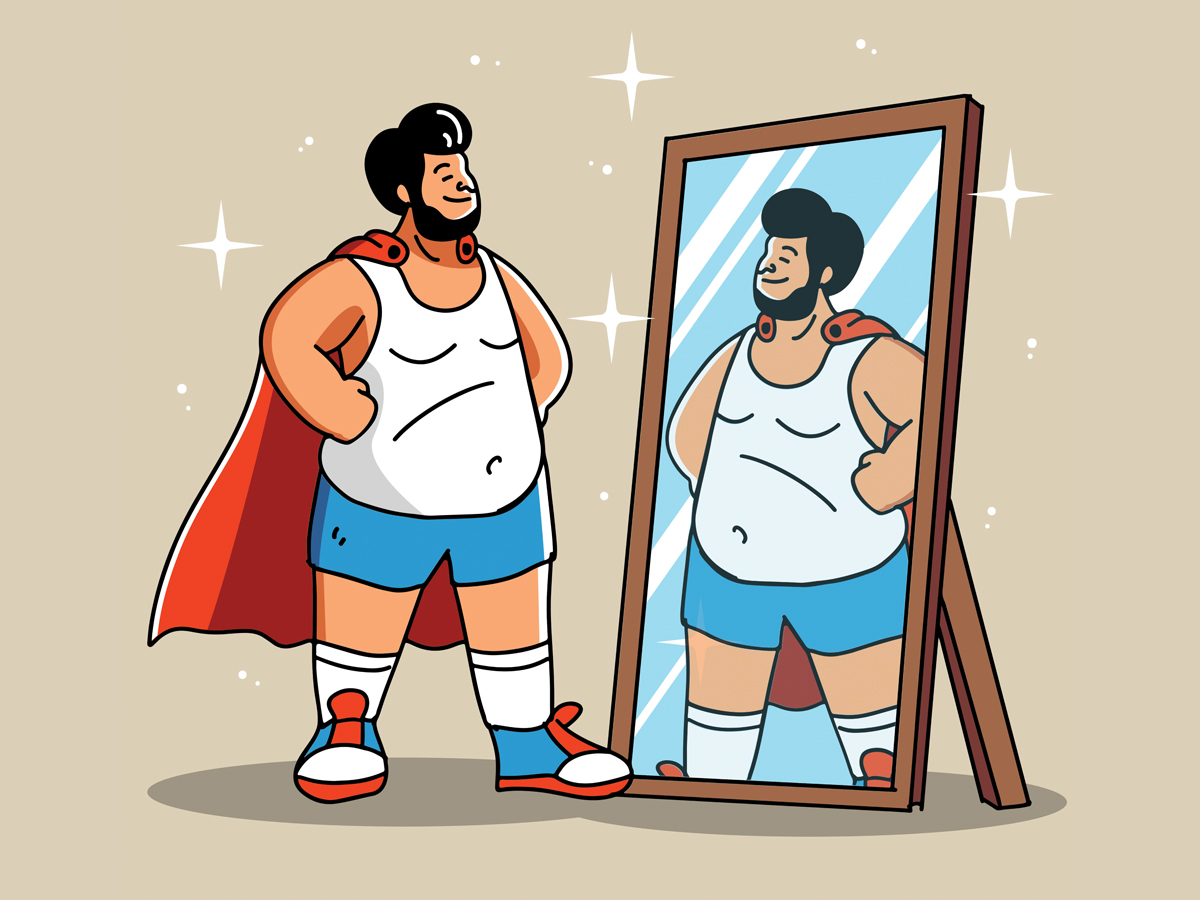
Will weight loss improve body image?
Many people believe that losing weight will automatically lead to feeling better about their bodies. Research shows that small amounts of weight loss may be linked to modest improvements in body satisfaction, but losing more weight does not necessarily lead to greater or lasting improvements.
What appears to matter more, and last longer, are cognitive and behavioural skills such as:
• Challenging unhelpful thoughts about appearance
• Reducing checking or avoidance behaviours
• Building appreciation for body function and capability
These strategies can support body image without making self-worth dependent on weight or appearance.
A take-home message
A healthy body image in later life doesn’t mean loving every change or ignoring real challenges. It means developing a more balanced, compassionate relationship with your body, one that recognizes appearance, function, and self-worth
are connected—but not the same thing.
Small shifts in thinking and behaviour can make a meaningful difference, at any age.
Dr. Anthony J. Levinson is a Professor at McMaster University and holds the John R. Evans Chair in Health Sciences Educational Research and Instructional Development. One of the co-leaders of the McMaster Optimal Aging Portal, Dr. Levinson is also a psychiatrist with a special interest in medical psychiatry, neuropsychiatry, and preventive psychiatry. His area of research interest includes online learning to improve healthcare provider and patient education.
Dr. Keisha Gobin is a clinical and health psychologist and Assistant Professor in the Department of Psychiatry and Behavioural Neurosciences at McMaster University. She is the clinical co-lead of the Eating Disorders Clinic and staff psychologist in the Chronic Pain Clinic at St. Joseph Healthcare Hamilton.
Images: Ian Mikraz. Micheile Henderson.