Prioritizing twice a year veterinarian visits to catch issues like lumps or areas of tenderness early and support conditions like arthritis or dental infections is important, alongside watching for age related needs.
Being the owner of an older dog or cat may also mean buying an orthopedic pet bed, adjusting the height of food and litter boxes, as well as changing the home environment for your pet’s comfort and safety by using ramps and non-slip surfaces. Grooming, mental stimulation, and monitoring for any physical or behavioural changes is also crucial.
Weight gain: Older pets are prone to putting on weight so manage their diet and exercise to prevent obesity, which can worsen other conditions. If advised, feed your pet senior-specific food that is lower in calories but rich in joint-supporting nutrients like glucosamine and omega-3 fatty acids.
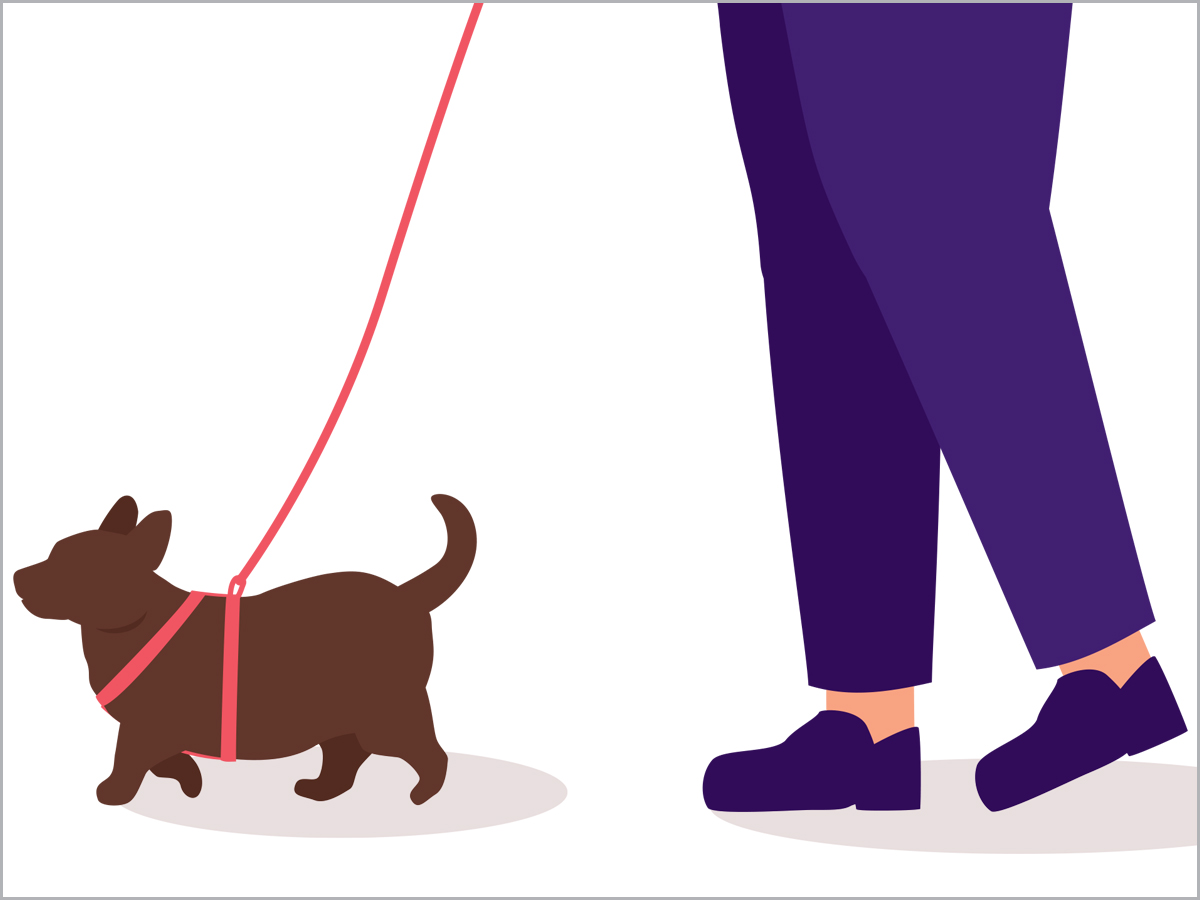
Gentle exercise: Provide regular exercise appropriate for your pet’s ability to maintain joint and cardiovascular health.
Mental Stimulation: Engage your pet with puzzle toys and gentle training to keep their mind sharp and ward off cognitive decline.
Consistent routine: Maintain a consistent routine for feeding, walks, and bedtime to reduce stress and confusion for your aging pet.
Getting assistance: Look for local vets who offer house calls to simplify veterinary care. Consider hiring a caregiver who is willing to help with tasks like walking or grooming if needed.
Image: iStock