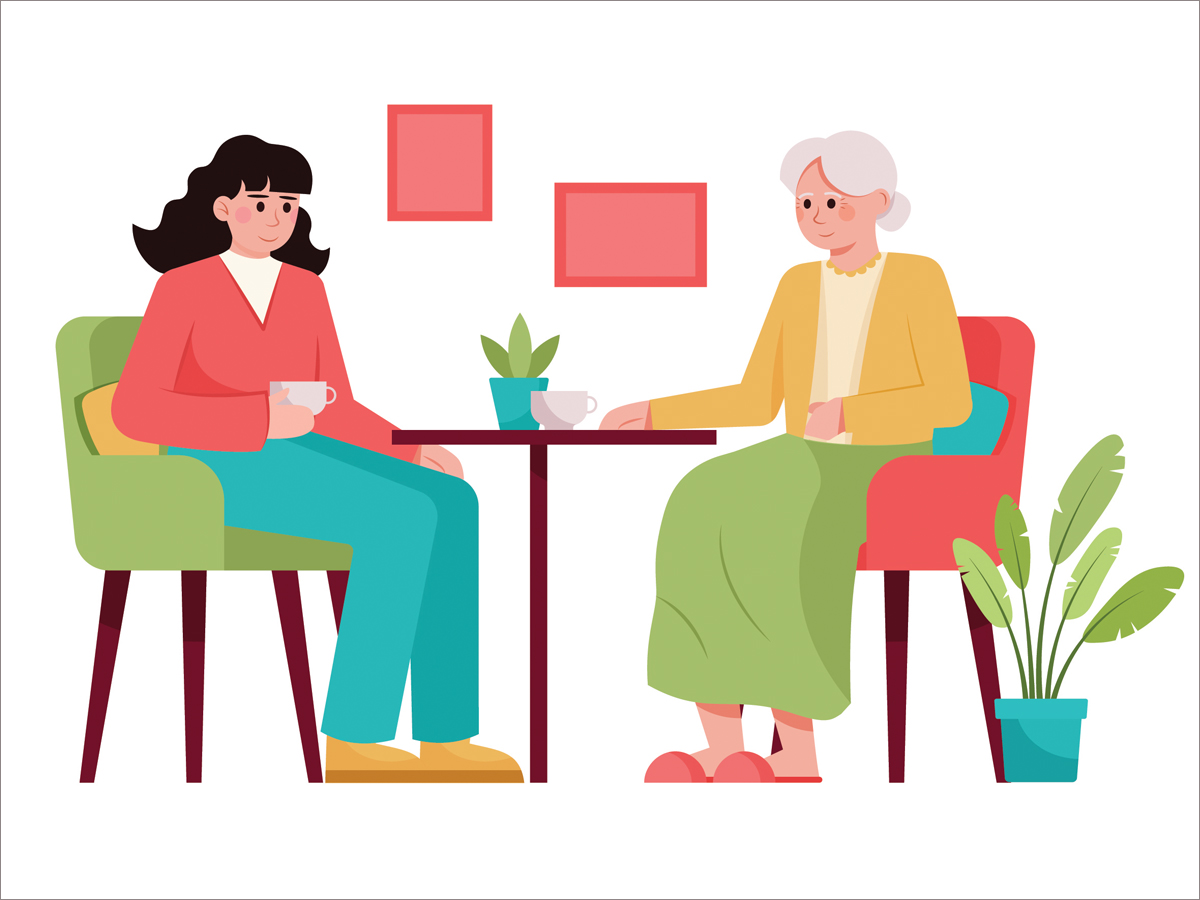
High-quality, compassionate in-home care allows seniors to live safely and comfortably where they love most—their own homes. From personal care tasks to help with daily routines, empathetic support ensures dignity and reassurance. This article explores how in-home caregivers deliver tailored support, companionship, and assistance for both everyday needs and more complex health conditions.
Enabling seniors to remain independent in familiar surroundings enhances their sense of well-being. Reliable care at home means individuals can enjoy routines, preferences, and connections to their community, while also receiving the help they need. Many families turn to organizations such as Care Advantage to find a trusted team that treats each person with dignity and respect. By focusing on individualized support, in-home care services promote a balanced and fulfilling life for both seniors and their loved ones.
Choosing in-home care is a proactive way to address physical, emotional, and social needs. Compassionate providers work to create a warm, safe environment while adapting to evolving health conditions. This type of care not only supports seniors but also gives families peace of mind, knowing their loved ones are cared for with genuine attention.
Comprehensive support for daily living
Quality in-home care starts with assistance in personal tasks, such as bathing, dressing, and grooming, that help seniors preserve independence and comfort. Caregivers can also support meal preparation, manage medication reminders, and encourage exercise, fostering stability and daily health.
Household help is also an essential aspect of in-home care. Whether taking care of laundry, light cleaning, or running errands, these services ease the burden for seniors and enable them to focus on activities they enjoy. This balanced approach helps minimize stress and maximizes quality of life for everyone involved.
Building compassionate companionship
Loneliness can affect seniors’ well-being. In-home caregivers offer valuable companionship, engaging clients through conversation, games, or even shared hobbies. Regular interaction nurtures a sense of belonging and emotional well-being, which is as important as physical care.
Caregivers strive to understand each individual, creating trusting and meaningful relationships over time. Familiar faces and friendly interactions help seniors maintain confidence, enhance their mood, and build positive outlooks. This personal touch distinguishes quality care and supports lasting wellness.
Specialized care for complex conditions
Many seniors develop chronic conditions or mobility challenges requiring heightened attention. Skilled in-home caregivers are trained to assist with diabetes, dementia, stroke recovery, or other complex needs. This tailored care respects the individual’s unique requirements, ensuring both safety and dignity are prioritized.
Collaboration with healthcare professionals and families is key. Caregivers monitor changes, provide timely updates, and adapt support as needed. When families seek guidance or additional help, they may explore resources from Care Advantage, Inc. for comprehensive care plans and respite opportunities, ensuring care is sustainable for all involved.
Serving local communities with trust and reliability
Quality in-home care is deeply rooted in local communities across Virginia, Maryland, Delaware, North Carolina, South Carolina, and Washington, D.C. Choosing reputable services ensures seniors receive consistent, dependable care that recognizes cultural and personal backgrounds. Local caregivers understand regional needs and are often readily available for evolving situations or emergencies.
Trust and reliability are at the heart of effective care. A strong caregiver-client relationship provides security and peace of mind, empowering seniors to stay safely in their own homes. Personalized, compassionate care supports independence and happiness, making a significant difference for seniors and their families.