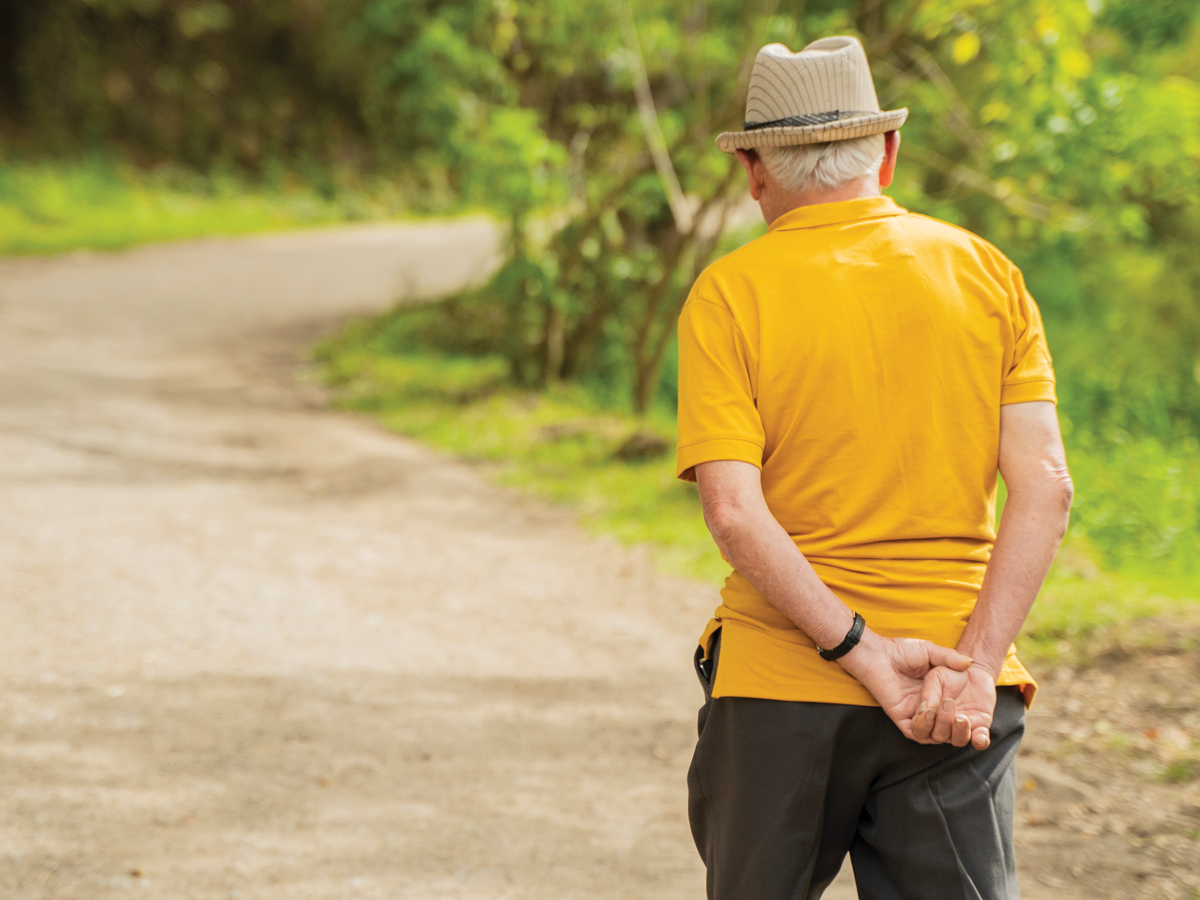
DAD HAS DANDRUFF
How can I help my “dating” dad get rid of his dandruff? It’s embarrassing when he’s got flakes all over this jacket.
Seniors can get dandruff due to aging-related dry skin, worsening of seborrheic dermatitis caused by conditions such as Parkinson’s disease or a weakened immune system. The best treatment we can recommend is to use medicated shampoos, practice good hair care, and opt for medical advice if the condition is severe or persistent. Experts caution that sometimes ongoing dandruff could be a sign of other skin conditions.
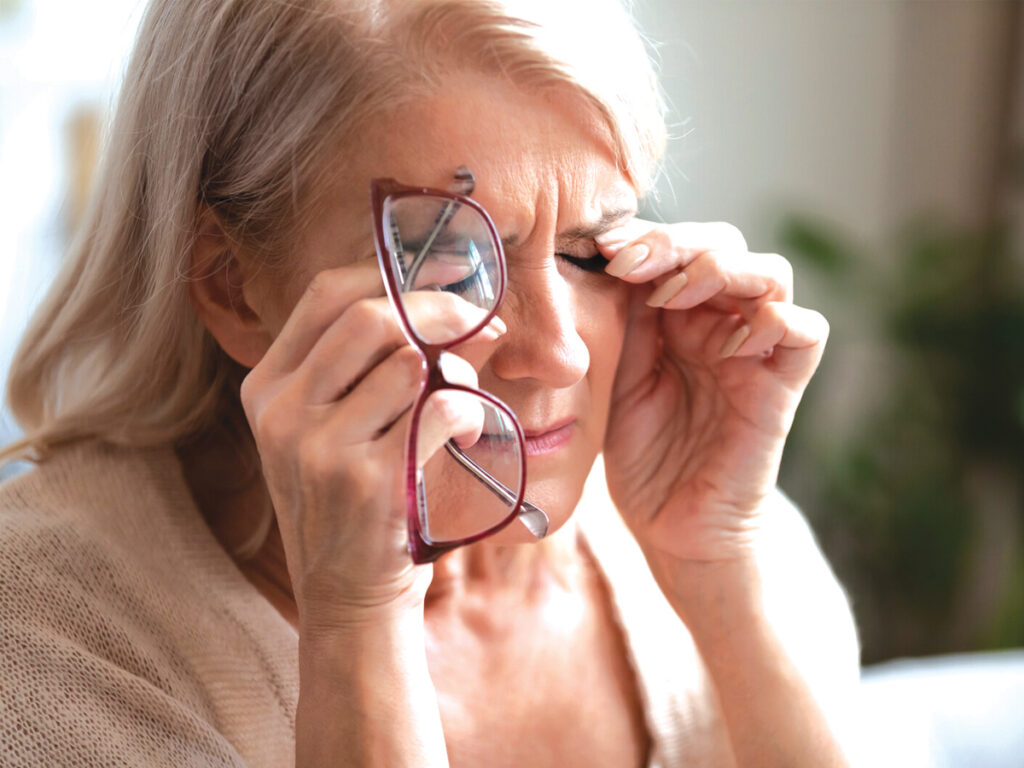
CATARACTS OPERATION
My 75 year-old aunt has been told that she needs to have cataracts removed from both eyes. She’s petrified. Is it dangerous to proceed?
Post evaluation and the measuring the eyes’ dimensions, cataract surgery simply involves placement of numbing eye drops, a small incision to remove the clouded eye lens and replacing it with a clear artificial lens implant (IOL). It is a common and safe procedure. The surgery is one eye at a time. It is quick, typically taking 10-20 minutes, and recovery involves temporary side effects like blurry vision and light sensitivity. Recovery takes a few weeks and a follow up visit with your doctor is required.

AM I OLD?
When does old age typically begin. Is there a set time? I’m a senior but I don’t think I’m “old” yet.
Old age is typically considered to begin around age 60 or 65, especially in Western countries and for eligibility for social programs like pensions and healthcare. However, the concept of old age is culturally and individually subjective; the United Nations uses 60, while other perspectives suggest 50 or 55 in some regions for memberships/purchasing discounts etc. In some cases, “prospective age” is based on remaining life expectancy. Factors like health, lifestyle, and genetics significantly influence when someone actually experiences old age, rather than just chronological aging.
KIDNEY STONE PREVENTION
Kidney stones are quite common in our family. My dad just got one and its was very painful. Is there a way to prevent them?
Caused by a high concentration of minerals and salts in urine that clump together, kidney stones are often a result of dehydration, high-sodium diets, eating oxalate rich foods like spinach nuts and chocolate as well as eating too much animal protein. To prevent them, stay well-hydrated by drinking plenty of water, (2 – 3 litres of water daily) limit sodium and meat, consume enough calcium-rich foods to bind oxalate in the gut, and eat plenty of fruits and vegetables. Obesity, a family history of kidney stones and certain medical conditions and medications can increase your personal risk.
Photos: CanStock