Vital for preventing infections, supporting emotional well-being and maintaining a healthy appearance, daily bathing and hair washing as needed, hand washing, oral health, continence management and grooming are tasks to be considered. Caregivers are often able to assist older adults in their care by patiently and respectfully adapting routines, using safe and convenient assistive devices like grab bars and shower chairs and encouraging healthy habits.
Early detection: During bathing and grooming, regular awareness of unusual bumps, rashes, wounds or bites can reduce the risk of more serious issues or identify new concerns
Hygiene management: When not well attended to there is a risk of skin sores, urinary tract infections and respiratory illnesses.
Oral care: Teeth should be brushed twice daily with an electric toothbrush if possible. And, ongoing dental check-ups are crucial for spotting tooth decay, checking gums and maintaining and cleaning dentures.
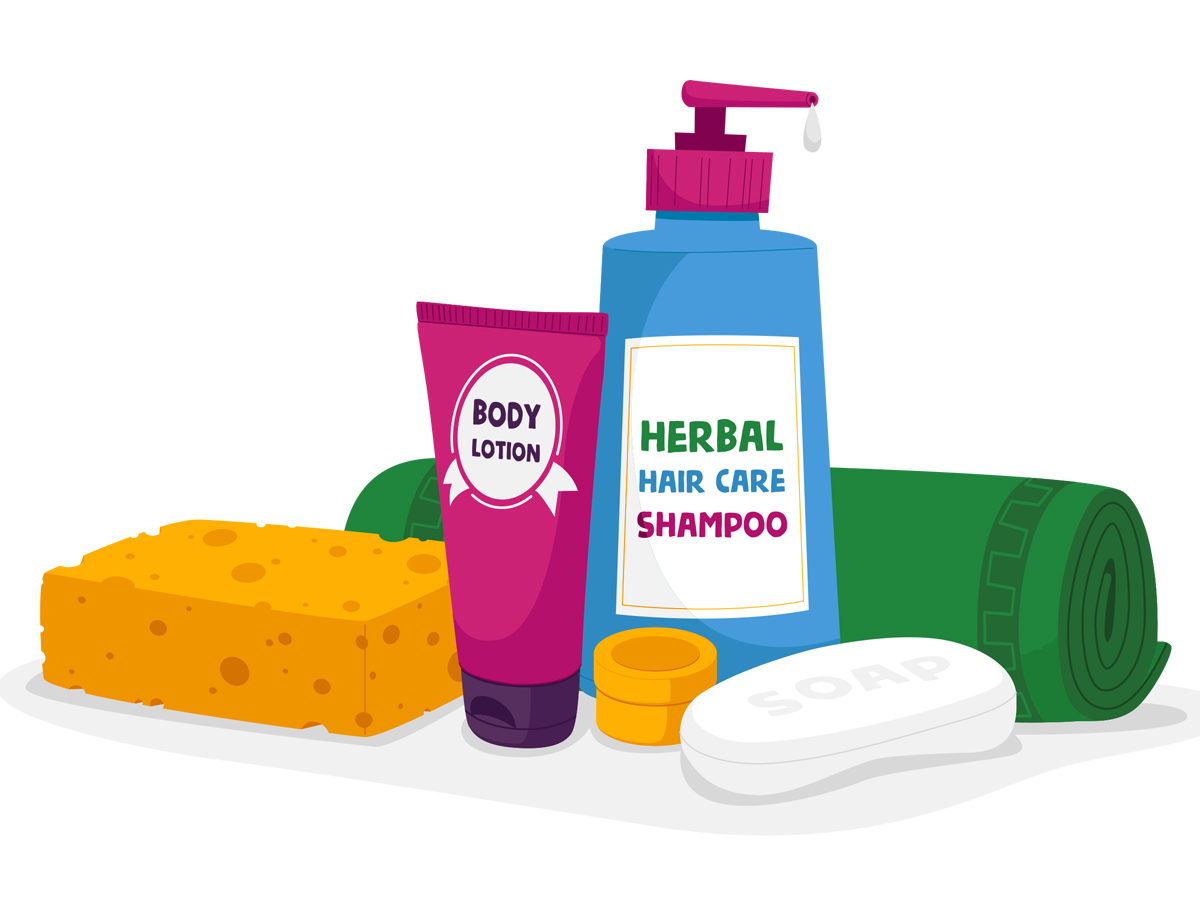
Hair, skin and nails: Moisturize on damp skin after bathing. Shave with an electric razor. Trim nails regularly to prevent discomfort, self-scratching, bacteria buildup and toe fungus. A visit to the hairdresser can also be a nice outing.
Clothing and clutter: Change clothes and pyjamas daily. Set up a regular laundry routine and watch for clothes that aren’t put away, overstuffed drawers and worn-out or damaged items.
Remember, a fresh look and a clean appearance can significantly improve or maintain self-esteem, raise spirits, boosts confidence and willingness to socialize.
Image: iStock