Tips to prepare for surgery
Patients have found these ideas helpful for calming their pre-surgery anxiety and nervousness.
1) Focus on good outcomes: Look for positive experiences from people who have had your type of surgery. Read about others’ success stories.
2) Trust your medical team: Your surgeon and their team perform these procedures regularly.
3) Keep your mind busy: Distract yourself with activities—watch a favourite show or comedy, play games, listen to music, spend time with friends etc.
4) Practice breathing and meditation: Try deep breathing exercises when you feel anxious (inhale for 4 seconds, hold for 4, exhale for 4). You can also explore guided relaxation meditations on YouTube or apps like Calm or Insight Timer.
5) Remind yourself why you’re doing it: Focus on the benefits of your surgery. This might be things like less pain, better mobility, improved health, or a longer life.
6) Talk to someone who understands:Seek support from a professional, or an online group about the procedure, or lean on friends and family for support.
Source: Surgeryinfo.ca
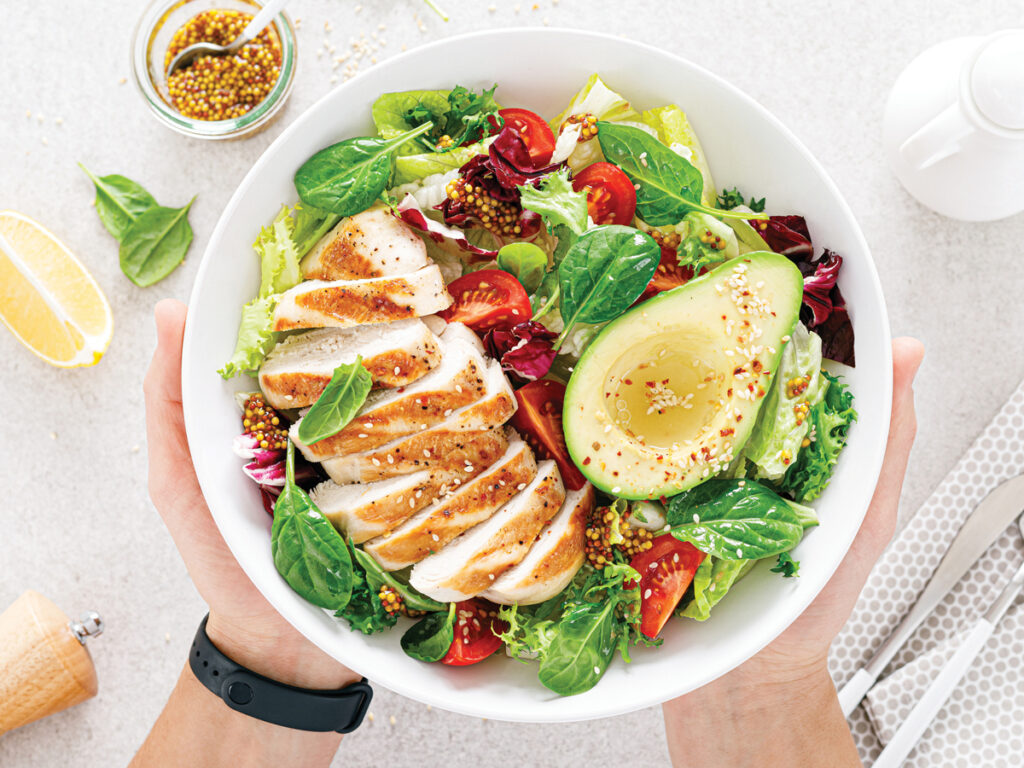
Nourishing meals
When you are juggling and taking care of others maintaining your physical and emotional energy, mood stability and strength is key. Experts suggest planning ahead if you can so that you:
• Start the day: Eat within an hour of waking up to kick start your metabolism
• Stay hydrated: Drink water throughout the day
• Prioritize protein: Use it to fuel your day
• Cook at home: Try to skip poor quality take out and prepare home cooked meals
Source: food-guide.canada.ca

Wisdom with age
Research shows that older adults generally have better emotional regulation and problem solving skills than young people. Built over the years, this makes them valuable sources of advice and guidance.
Source: springpointsl.org

Improving air quality
The air you and others breathe at home maybe be causing unexplained respiratory systems. Here are some things you can do to protect yourself:
• Learn the sources: Common air pollutants are radon, second hand smoke, formaldehyde, and many cleaning products.
• Test your air quality: Home test kids or a professional service can help you manage any sources of pollution.
• Take steps to control: A host of allergens and irritants include dust, mold, pet dander and dust mites.
Source: Healthline

Avoiding microplastics
964 1bs – the eye opening stat that reveals the amount of micro plastics the average woman in North America could consume 946 1bs of microplastics in her lifetime if she only drank bottled water and met the daily intake recommendations. For a man it could be 1265 1bs. Key takeaways include:
• Filter tap water and swap plastic food containers for glass.
• Use wooden cutting boards and skip single use plates, cutlery and straws.
• Opt for cotton or wool fabrics.
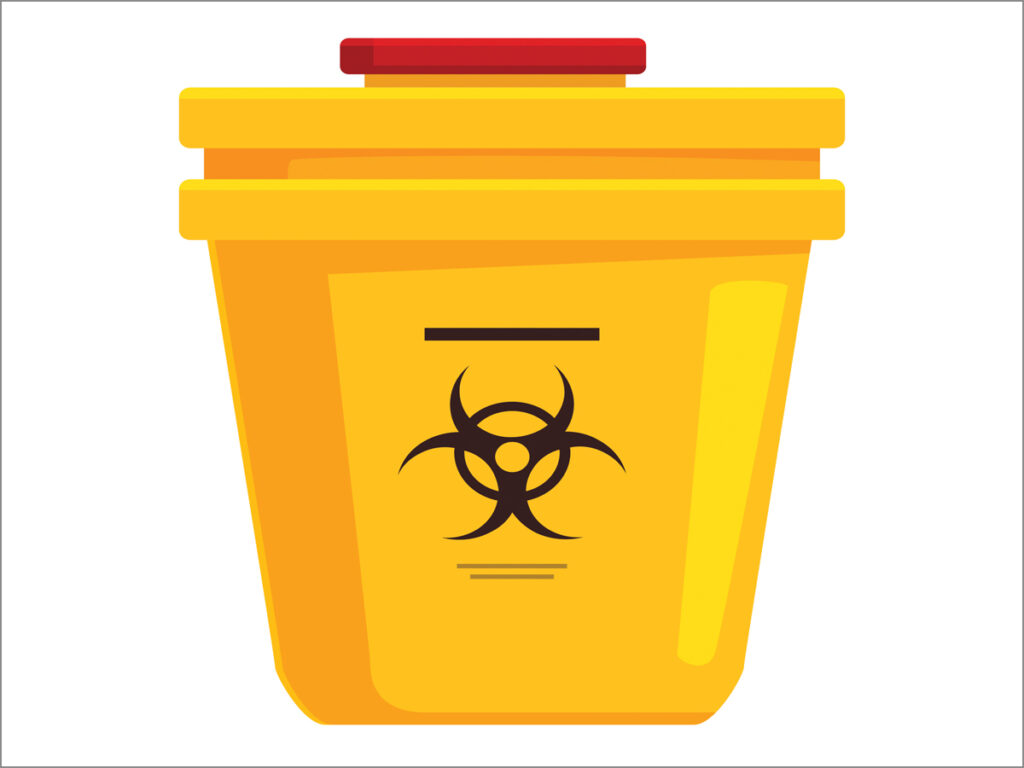
Safe medication disposal
Collect unused or expired medicines over-the-counter products and natural health products and return them at no charge to your pharmacy. Put used sharps in approved, puncture proof containers.
Do NOT flush medications down the toilet or sink unless Health Canada advises it for specific dangerous drugs (like certain opioids) to prevent immediate harm.
Do NOT throw them in regular garbage, as they can be found by children, pets, or waste workers.

Should it be so easy to drink?
Studies show that alcohol use raises the risks of liver and heart disease, brain damage, mental health issues, injuries and fetal alcohol spectrum disorders. New guidelines have a sober message: no amount of alcohol is risk-free and the risk rises significantly with more than two drink a week. However, according to public health experts, 75% of Canadians are not aware of the casual link between alcohol consumption and six types of cancer according to public health experts. Advocates suggest that given the strength of the alcohol industry, little is being done to create greater awareness and are calling for, at minimum, government mandated warning labels.
Source: Canadian Affairs
Images: Shutterstock. iStock.